I started running a backyard insect survey three summers ago, mostly out of frustration. My kale was getting shredded, the basil looked stressed, and I had no clue whether the culprits were aphids, flea beetles, or something I couldn't even name. So I did what any mildly obsessive gardener does: I set up cheap pitfall traps, started flipping rocks at 7 a.m., and built a messy spreadsheet of everything I caught. Here's the honest version of what that looks like, what it costs, and how to read the results without spraying everything in sight.
Quick Navigation
What Is a Backyard Insect Survey, Exactly?
A backyard insect survey is just a structured count. You pick a few spots, sample them consistently, and write down what you find. No lab coat needed. The point isn't to identify every speck — it's to spot trends. If predatory ground beetles vanish from your mulch beds in July, that tells you something about your slug problem before the slugs even show up.
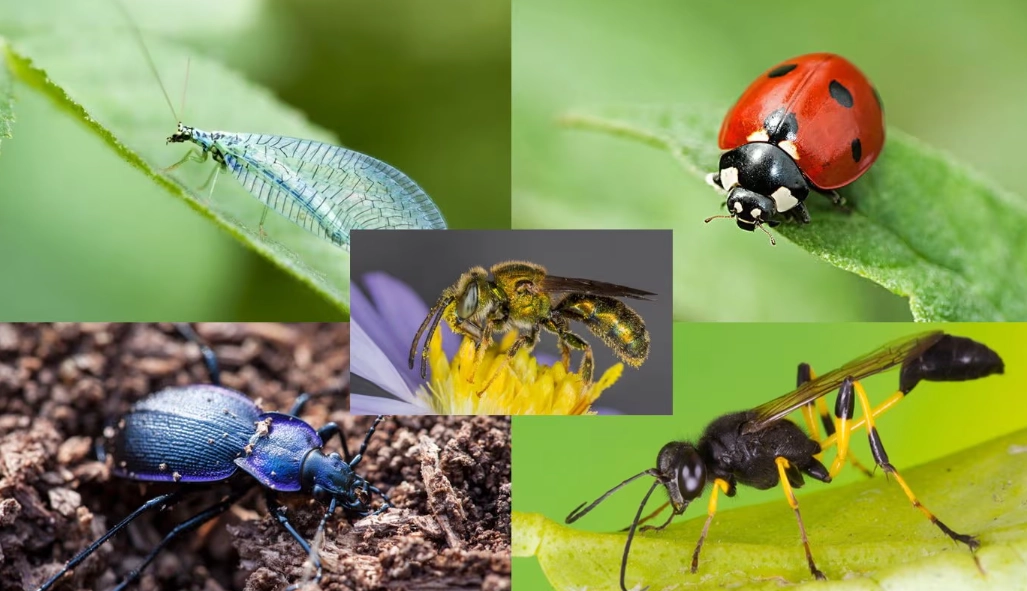
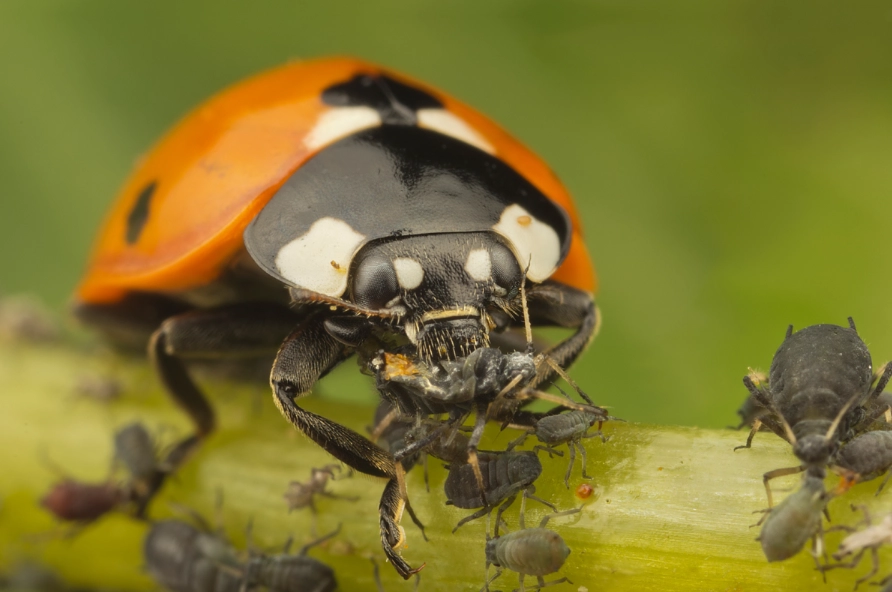
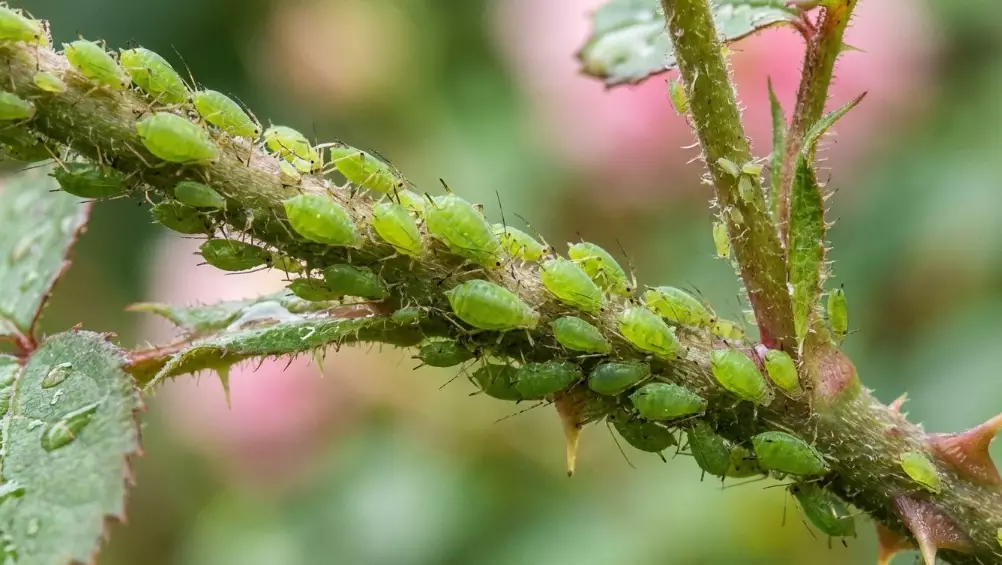
The data most people collect falls into three buckets: beneficials (lady beetles, lacewings, ground beetles), pests (aphids, cabbage worms, flea beetles), and neutral insects that mostly just exist. Neutral counts matter too, because they feed birds and parasitoid wasps. Skip them and your survey looks scary when it's actually fine.
How to Run Your Own Survey Without Buying Lab Gear
You need about $25 and 20 minutes a week. That's it. Here's the setup I use across a 40-by-30-foot vegetable patch.
Step 1: Set Your Sample Points
Pick five fixed spots and mark them (I use old tent stakes). Two in the veggie bed, one near the compost, one in the lawn edge, one in a flower border. Why fixed spots? Because moving your sampling location each week makes your data useless. I learned that one the hard way in year one — my counts bounced around for no real reason.
Step 2: The Three-Tool Kit
Pitfall traps catch ground crawlers. Sticky cards catch flyers. A beat sheet (a white pillowcase works) catches what's sitting on your foliage. Run all three every 7 to 10 days, in the morning before it heats up.
Pitfall trap cost: about $2 each if you use a plastic cup sunk into the ground with a small rain cover. Sticky cards run $8 for a pack of 10 on most garden sites. Beat sheet: free if you already have a light-colored cloth.
Step 3: Sample for 10 Minutes, Not 2 Hours
Twenty minutes per session is plenty. Longer sessions create uneven effort and your numbers get noisy. Consistency beats thoroughness here. If you can't sample one week, just skip it and note it. Don't try to double up.
Field note: I sample between 7 and 9 a.m. in summer. Afternoon sampling catches mostly flies and gives you a skewed picture. The ground beetles I care about move at night and early morning.
Reading the Results: Friends, Pests, and the Grey Zone
Your first two weeks of data will look random. Ignore the raw numbers. Look for what changes over three or four weeks.
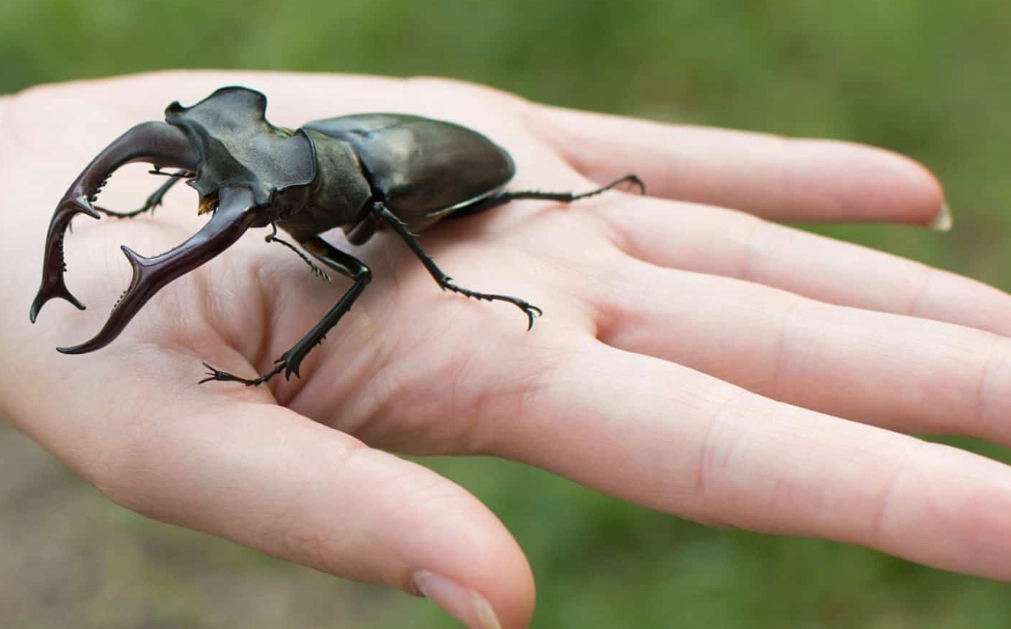
One concrete example from my own patch: in early June, my pitfall traps averaged 2–3 ground beetles per trap per week. By mid-July, that dropped to zero. Same week, slug sightings on lettuce jumped from one or two to eight. The beetles were eating the slugs. When the beetles went quiet, the slugs exploded. Nothing I could have seen by eyeballing the garden.
If pest counts climb but beneficials hold steady, wait a week. Many aphid spikes collapse on their own once lady beetle larvae show up. Spraying at that moment wipes out the predators and resets the whole cycle.
Common Mistakes I See Season After Season
Most backyard insect survey advice online is generic — "identify your bugs, take notes." That skips the stuff that actually wrecks your data.
Mistake one: sampling only where you see damage. That tells you nothing about baseline populations. Sample the healthy areas too.
Mistake two: changing trap types mid-season. Sticky cards and pitfall traps aren't comparable. If you switch halfway, your trend line breaks.
Mistake three: trusting phone ID apps too much. I've tested three of them on clear photos of ground beetles versus carabid lookalikes. They disagree with each other a lot. Cross-check with a regional extension office or a state university entomology page before you act on an ID.
Worth saying plainly: a survey is not a spray schedule. If your counts show a pest uptick, the first move is usually more habitat (mulch, flowering herbs), not a bottle.
Trap and Tool Comparison Table
| Tool | What It Catches | Typical Cost | Sampling Frequency |
|---|---|---|---|
| Pitfall trap (plastic cup) | Ground beetles, spiders, ants, slugs | ~$2 each | Every 7–10 days |
| Sticky card (yellow/blue) | Aphids, whiteflies, fungus gnats | ~$8 for 10 cards | Every 10 days |
| Beat sheet (white cloth) | Caterpillars, beetles, true bugs on foliage | Free if on hand | Weekly |
| Hand lens (10x) | Small ID details on live insects | ~$10 | Every session |
FAQ
This guide is based on hands-on sampling in a residential vegetable garden over multiple growing seasons. Pest and beneficial IDs were cross-checked against state extension entomology resources.