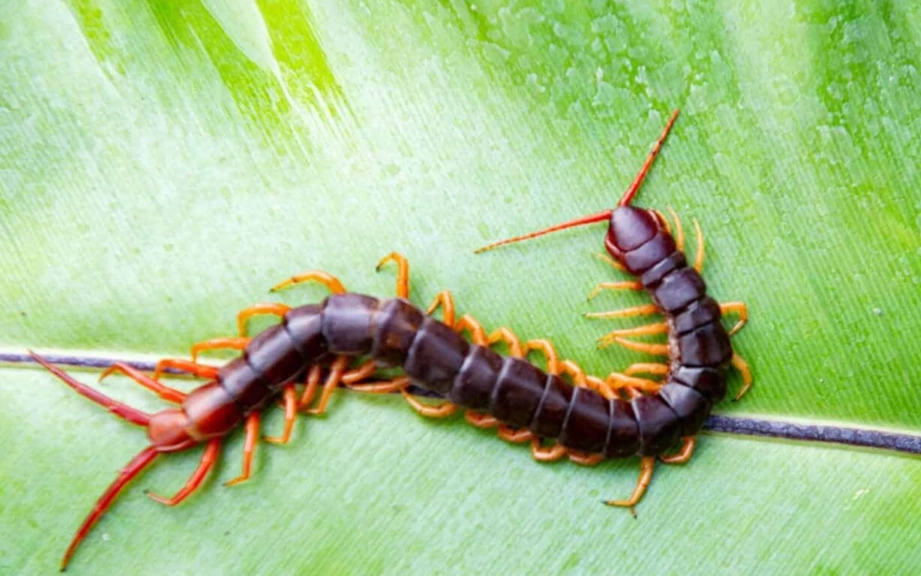
Keeping a pet beetle sounds like the easiest thing in the world — until yours stops eating, flips on its back, or dries up in a week. I've kept roughly twenty species over the past ten years, from sun beetles to stag beetles, and I still remember killing my first pair of Pachnoda marginata because I misted the tank like a rainforest and drowned the larvae. This guide is the version of that experience I wish someone had handed me.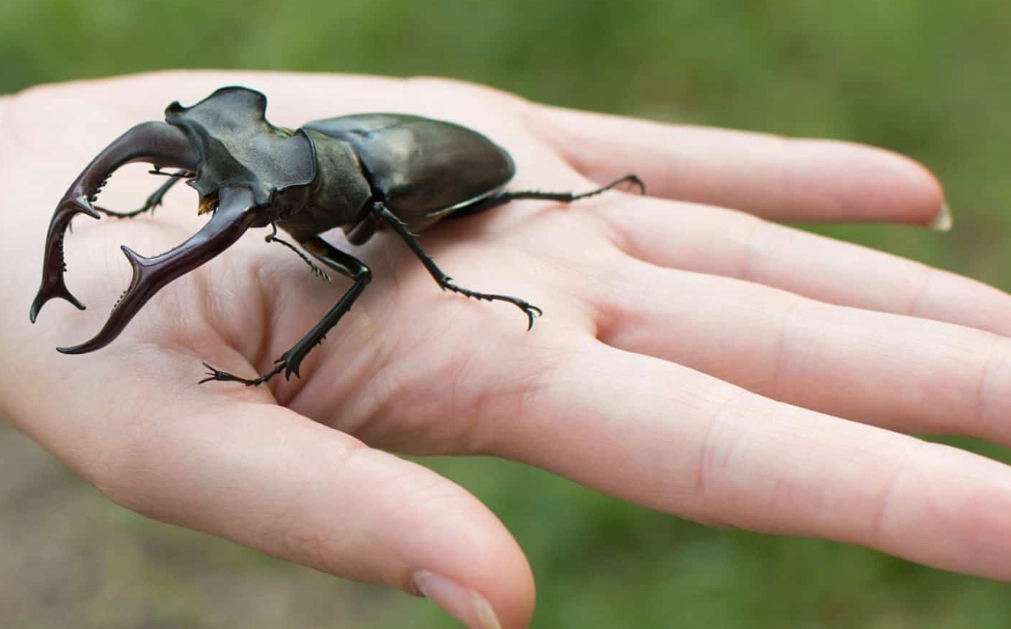
Quick navigation — what you need to know
- What Beetle Species Actually Works as a Pet?
- How to Set Up a Beetle Terrarium Step by Step
- The Substrate Debate: What Most Guides Get Wrong
- Feeding Schedule and Diet Details
- Humidity and Temperature Mistakes I See Every Week
- Handling Behavior: When to Pick Up, When to Back Off
- Questions Keepers Ask Me Most
What Beetle Species Actually Works as a Pet?
Not every beetle belongs in a glass box on your desk. Some need live wood. Some need a diapause (a cold resting phase) that beginners can't replicate. Three species I keep recommending to first-timers, and one I tell people to skip unless they've done a full year of research:
- Sun beetle (Pachnoda marginata) — hardy, eats fruit, lives about six months as an adult. Great starter species because it tolerates a range of temperatures (22–27°C is the sweet spot).
- Blue death feigning beetle (Asbolus verrucosus) — desert-dry setup, low humidity, and surprisingly long-lived (sometimes over five years). Good if you forget to mist things.
- Domestic stag beetle (Dorcus species) — impressive to look at, but adults often die within a few months if you don't pack the substrate deep enough. I learned that with a pair of Dorcus titanus that lived exactly 47 days, which stung.
How to Set Up a Beetle Terrarium Step by Step
Here's the setup I use for a starter sun beetle tank. A 5–10 gallon (roughly 19–38 liter) clear plastic or glass tank with a secure mesh lid is enough for one adult. The mesh matters — beetles can climb glass with surprising grip, and a solid lid traps stale air. I learned that after finding a sun beetle clinging to my curtain rod.
Step 1: Substrate depth beats substrate type
Mix 60% coconut coir, 30% aged hardwood leaf litter, and 10% sand. Moisture should be like a wrung-out sponge — squeeze a handful and only a few drops come out. Depth: at least 3 inches (7.5 cm), more if you keep a burrowing species. Every guide tells you to use coir; almost none tell you that coir alone dries too fast and offers zero nutrition for larvae.
Step 2: Hiding spots and climbing surfaces
Stack two or three flat pieces of cork bark at one end. This gives the beetle something to hide under and a textured surface to grip. I've noticed that beetles without any textured surface spend a lot of time pushing against the glass — a stress behavior that eventually leads to exhaustion.
Step 3: Ventilation and lid security
A mesh lid with fine holes (small enough that a 1 cm beetle can't squeeze through) is non-negotiable. Stagnant air invites mold, and mold on substrate can kill a beetle within days. Airflow also prevents the "foggy tank" problem that beginners often mistake for high humidity.
The Substrate Debate: What Most Guides Get Wrong
Most care sheets say "use coconut fiber." That's fine for adults, but if you plan to breed or keep larvae, coconut fiber is nearly empty of nutrients. A larval Pachnoda needs decayed leaf matter, sometimes supplemented with a small amount of fermented flake soil (the kind sold for rhino beetle breeding). This one detail separated my first failed breeding attempt from a second one where I got twelve larvae to adulthood.
| Substrate Mix | Best For | Humidity Level | Change Frequency |
|---|---|---|---|
| Coconut coir only | Adult desert species | Low (30–40%) | Every 3–4 months |
| Coir + leaf litter + sand | Adult forest species | Medium (50–65%) | Every 2–3 months |
| Coir + fermented flake soil + leaf litter | Larvae and breeding pairs | Medium-high (60–75%) | Every 4–6 weeks |
One more thing: don't sterilize your leaf litter by baking it. I know the forums say to, but baking kills the beneficial microfauna that help break down waste. Rinse it, freeze it for 48 hours if you're worried about hitchhikers, then use it.
Feeding Schedule and Diet Details
Adult beetles generally fall into two camps: fruit/jelly eaters and wood/leaf eaters. Sun beetles and flower chafers go for overripe banana, apple, and commercial beetle jelly. A simple feeding routine:
- Fruit eaters: replace fruit every two days (it molds fast in a humid tank). Beetle jelly cups last 3–4 days and attract fewer fruit flies. My sun beetles ignored jelly for the first week and then decided it was the best thing ever — don't panic if yours does the same.
- Wood/leaf eaters: provide fresh leaf litter and a small piece of rotting hardwood. Replace leaves when they look skeletonized or moldy.
- Protein boost: once a week, offer a tiny piece of dog kibble or a dead feeder insect (freeze it first to kill mites). Females producing eggs need the extra protein, and most guides skip this completely.
Humidity and Temperature Mistakes I See Every Week
The number one mistake is misting on a fixed schedule. "Mist twice daily" is fine for a rainforest species, but if your room is already humid, you're just growing mold. Buy a cheap hygrometer (a digital one costs less than a coffee) and mist only when the reading drops below your species' target range. For sun beetles, that's about 60–70%. For blue death feigning beetles, keep it under 40% and skip misting entirely.
Temperature: most beginner species are fine at normal room temperature (21–25°C). A heat mat under the tank is a bad idea — it dries the substrate from below and can cook a burrowing beetle. If you need extra warmth, put the heat mat on the side of the tank, and only if your room drops below 18°C at night.
Handling Behavior: When to Pick Up, When to Back Off
Beetles aren't cuddly. They tolerate handling, but stress shows up in subtle ways — repeated glass climbing, refusing food, or that classic flip onto the back that beginners find cute and keepers find alarming. A beetle that flips and can't right itself will die within hours if it's too weak to grab onto something. I keep a small piece of cork bark in every tank so a flipped beetle has a grip point.
Handling rule I follow: let the beetle walk onto your hand rather than grabbing it. Pick it up by coaxing a finger under its front legs. Never lift by the abdomen. And wash your hands first — the oils on your skin and any soap residue can be toxic to a small insect.
Questions Keepers Ask Me Most
My beetle keeps flipping onto its back — is that normal?
Occasional flipping is normal after a fall or when the beetle is old. Constant flipping, especially right after feeding, usually points to substrate that's too smooth or too shallow. Beetles need something to grab. Add a textured piece of bark and check that your substrate is at least three times the beetle's body length in depth.
How often should I clean the tank?
Full substrate changes every two to three months for adults. Spot-clean food scraps every other day. Don't scrub the tank with soap — use hot water and a clean cloth. I've seen a sun beetle die within a day of a tank being washed with dish soap; the residue was invisible but toxic.
Can I keep two beetles in one tank?
Depends on species and sex. Two males of the same species will often fight over food or space. A male and female can work, but if the female looks harassed (constantly climbing away, not eating), separate them. My rule: one adult beetle per 5 gallons (19 liters) of tank floor space, and never mix species from different regions.
My beetle stopped eating after I changed the substrate — why?
Sudden substrate changes remove familiar smells and can stress a beetle for a few days. Mix a handful of the old substrate into the new one to carry over the scent. Also check the moisture level — a fresh bag of coir is often way wetter than it should be. Spread it out, let it dry for an hour, then add it to the tank.
Do pet beetles need a heater in winter?
Most common pet species tolerate temperatures down to about 18°C at night. Below that, activity drops and feeding stops. A room thermometer is more useful than a heat mat. If your room dips lower, a low-wattage heat mat on the side of the tank (not underneath) is the safer choice.