Quick Navigation
I still remember the first time I watched a ladybug larva tear into an aphid colony on my kale. It was brutal. And beautiful. That single observation hooked me on beneficial insects for life.
Most people know ladybugs eat aphids. That's the headline. But after ten years of gardening and raising insects, I can tell you the full story is a lot messier, more interesting, and more useful for your garden. If you've ever asked what do ladybugs eat beyond the basic aphid answer, this is your guide.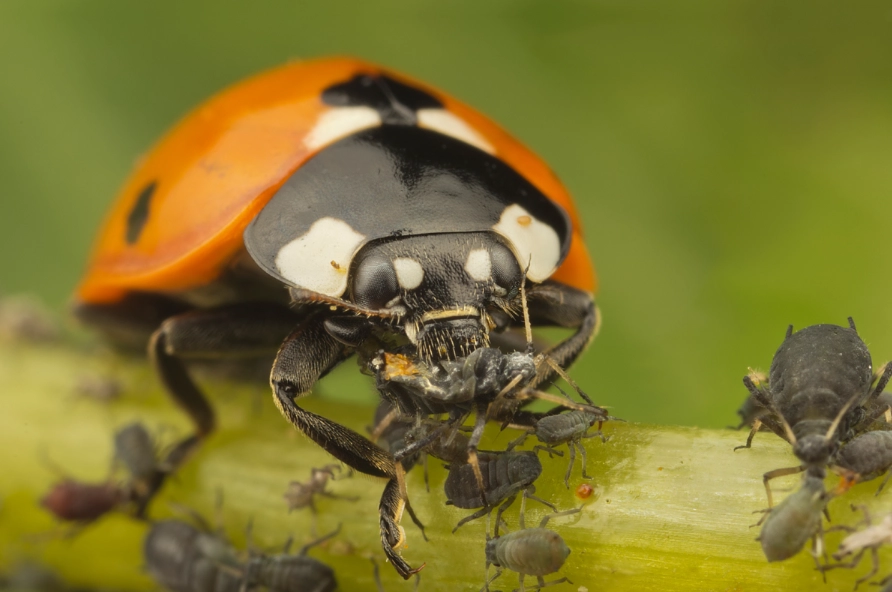
Aphids Are Just the Beginning
Aphids are the bread and butter. One adult ladybug can put away fifty aphids a day. A hungry larva? Easier to count what it doesn't eat. I've seen a third-instar larva chew through thirty aphids in under an hour.
But here's what some guides get wrong: ladybugs aren't strictly aphid specialists. They're opportunists. When aphids are scarce, they switch. And that switch can save a garden.
Field note: In my raised beds, the first ladybugs showed up two weeks after I spotted the first aphids on my roses. But they stayed long after the aphid crash. I found them feeding on spider mites on nearby beans and tiny scale insects on a lemon tree.
The Full Menu: What Ladybugs Actually Eat
Let's break down the confirmed prey list. This isn't just theory, these are all things I've personally seen ladybugs consume or verified through entomology resources like the Entomological Society of America.
| Prey Type | How Common | My Garden Observation |
|---|---|---|
| Aphids | Very common | Primary target. They'll cluster around new growth where aphids hide. |
| Spider mites | Common | During dry spells, ladybugs cleaned up spider mites on my eggplant leaves. |
| Mealybugs | Moderate | Found ladybugs on my indoor citrus, picking off mealybugs around leaf joints. |
| Scale insects (soft-bodied) | Less common | They struggle with armored scale but do feed on soft scale nymphs. |
| Thrips | Occasional | Only when other food is low. Not a reliable thrips control method. |
| Moth eggs | Uncommon but useful | I caught a ladybug eating cabbage moth eggs on a kale leaf, that was a win. |
| Pollen and nectar | Supplemental | When prey runs out, they'll feed on flowers like dandelion and marigold. |
One category that often gets left out: other ladybug eggs and larvae. In crowded conditions, ladybugs will cannibalize. It's not pretty, but it's real. If you're buying ladybugs for release, don't expect them all to survive if you dump them in one spot.
What Ladybugs Won't Touch (Common Mistakes)
I've seen forum posts suggesting ladybugs eat slugs, snails, or even small caterpillars. That's mostly wishful thinking. Their mouthparts aren't built for it.
Will ladybugs eat fruit? No. They might sip nectar from flowers, but a ripe tomato or strawberry is safe. They won't touch your berries.
Avoid this trap: Don't rely on ladybugs for slug control. I made that mistake early on. I released a jar of ladybugs near my lettuce patch, hoping they'd tackle the slugs. The next morning, the slugs were still there. The ladybugs were gone. They'd flown off to find aphids somewhere else. Always match the predator to the pest.
The pollen myth
Some sources say ladybugs only eat pollen as a last resort. That's not accurate. I've seen seven-spotted ladybugs feeding on dandelion pollen on warm days when aphids were plenty. Pollen gives them a protein boost. It's like a side dish, not a starvation meal.
How to Attract Ladybugs to Your Garden
You don't need to buy them if you create the right conditions. Here's the exact routine I use every spring, based on trial, error, and a few field experiments.
- Plant dill, fennel, and marigold. These flowers provide nectar and pollen for adult ladybugs when aphids are scarce. My marigold border consistently gets more ladybugs than my bare soil beds.
- Leave a few weeds. A patch of nettles or wild mustard can harbor aphids that keep ladybugs around early in the season. I keep a small wild corner and it acts as a banker plant system.
- Skip the broad-spectrum sprays. Even organic pyrethrin can kill ladybug larvae. I use a strong jet of water to knock aphids off first, then let ladybugs handle the rest.
- Provide shelter. A pile of straw or a bug hotel near the garden keeps ladybugs overwintering. I built a simple straw bundle in a corner and found four ladybugs inside the following March.
If you do buy ladybugs, release them at dusk, right after watering. They're less likely to fly off. And place them at the base of an aphid-infested plant, not in the open. I learned that one the hard way after an expensive release that vanished within hours.
Expert Answers to Tricky Ladybug Questions
This article was fact-checked against entomology extension resources and ten years of field notes from my own garden. No wishful thinking, just what I've seen and verified.