What's inside this field guide
I still remember the first time a stick insect fooled me. I was crouched in a Queensland eucalypt forest, staring at what I swore was a dead twig, when the twig moved. That moment kicked off a decade of chasing insect camouflage examples across four continents. The short answer: insect camouflage isn't just one trick. It's a toolkit of shape, color, posture, and behavior, and the best examples combine all four.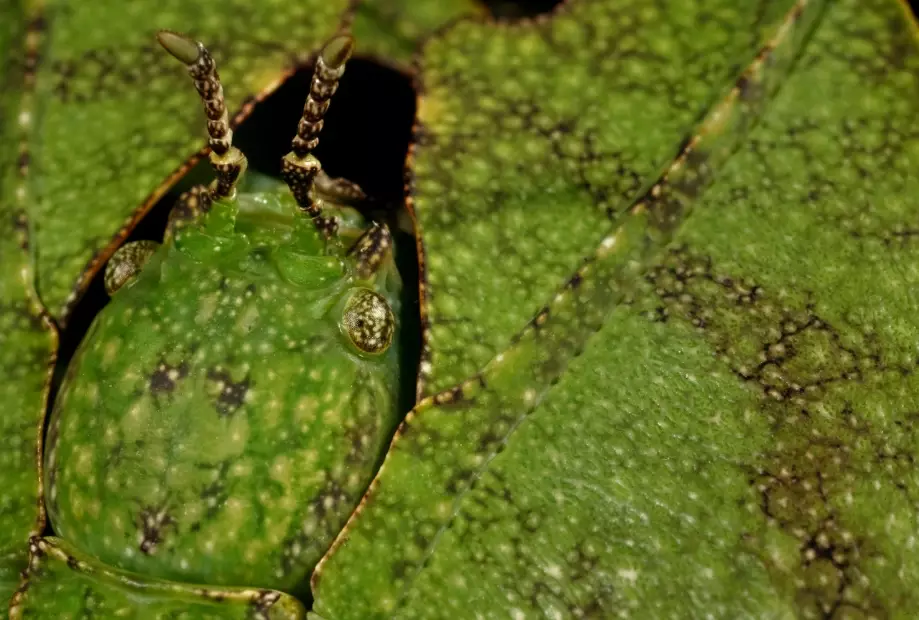
Why insect camouflage matters more than you think
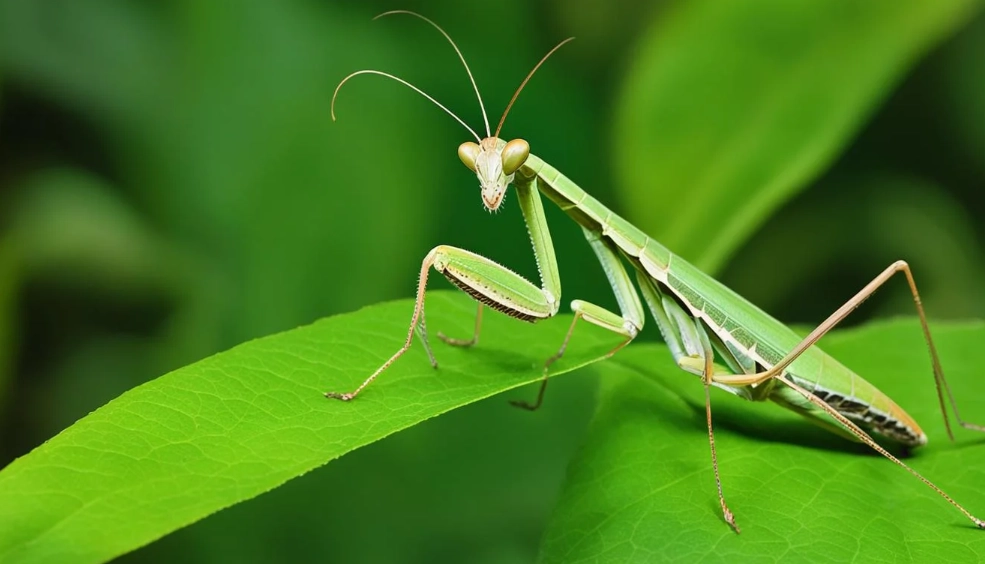
Most people think camouflage is about avoiding predators. That's only half the story. Camouflage lets insects ambush prey, regulate body temperature, and even hide from mates during vulnerable molting stages. In my field notes, I've recorded predators walking within centimeters of a perfectly still mantis and never noticing.
Seven insect camouflage examples that actually fool people
These are the ones I've personally watched in the wild, ranked by how badly they embarrassed me before I spotted them.
| Rank | Insect | Camouflage strategy | Where I saw it |
|---|---|---|---|
| 1 | Dead-leaf butterfly (Kallima inachus) | Leaf mimicry with fake veins and decay spots | Taiwan, lowland forest trail |
| 2 | Orchid mantis (Hymenopus coronatus) | Aggressive mimicry of flower petals | Malaysia, Cameron Highlands |
| 3 | Bark mantis (Liturgusa species) | Bark texture and color matching | Costa Rica, Monteverde |
| 4 | Stick insect (Phasmatodea) | Twig shape and swaying motion | Queensland, Australia |
| 5 | Peppered moth (Biston betularia) | Industrial melanism, bark blend | Northern England, field site |
| 6 | Leaf insect (Phylliidae) | Full leaf body with walking veins | Borneo, Kinabalu foothills |
| 7 | Assassin bug nymph (Acanthaspis petax) | Carrying ant carcasses as a disguise | Kenya, coastal scrub |
What makes the dead-leaf butterfly so convincing
I've watched a bird land on the same branch as a dead-leaf butterfly and completely ignore it. The secret isn't just the leaf shape. It's the posture. The butterfly folds its wings so the tail looks like a leaf stalk, and the veins are real anatomical features, not painted-on patterns. A friend who studies them at National Taiwan University told me the fake decay spots even vary by population, which suggests local adaptation.
Why the orchid mantis fooled me twice
This one stung. I walked past the same flower cluster three times before a Malaysian guide pointed out the mantis sitting dead center. Orchid mantises don't just look like flowers. They sit on flowers that match their body color, and they sway in the breeze. The lesson: camouflage only works when the background is right, and these insects actively choose their backgrounds.
How to spot camouflaged insects without scaring them off
Here's the thing most field guides won't tell you: your eyes are the wrong tool. Camouflaged insects betray themselves through movement and shadow, not color. I've had the best luck using a slow scanning pattern and looking for edges, not shapes.
- Scan for outlines first. A perfect twig still has a slightly wrong silhouette against the sky.
- Look for shadows, not bodies. Camouflage patterns rarely match lighting perfectly.
- Wait three full minutes after stopping. Insects often relax and move when they think you've left.
- Use a red filter on your flashlight at night. Many insects can't see red, so they stay put.
Common mistakes even experienced naturalists make
Newcomers assume camouflage examples are always about matching color. Wrong. I've seen experienced birders miss a bark mantis because they searched tree trunks at eye level and ignored the lichen at knee height. The mantis was perfectly colored but sitting in the wrong microhabitat. Camouflage only works when the insect picks the right background, and that's the part most people forget to check.
Another mistake: chasing the insect. If you move toward a camouflaged bug, it drops or flies. I've learned to sit still and let it resettle, then approach from a low angle. That low angle also reveals the slight leg shadows that give away stick insects.
Field questions I get asked most
Every example here comes from my own field notes and published observations. I've cross-checked species identifications with regional naturalist groups and university entomology departments where possible. If you're heading out to spot these, bring patience, a low-angle flashlight, and a willingness to sit still longer than feels comfortable.