Quick Navigation
I still remember the first time I found aphids on my prize heirloom tomatoes. Tiny green specks covering the underside of a leaf, and within a week, the whole plant looked sick. I tried a chemical spray from the local store—it worked for about ten days, then the aphids came back with a vengeance. That's when I started learning how to get rid of aphids naturally, and honestly, I wish I'd started there.
This guide is everything I've learned from years of trial and error, plus tips from master gardeners who've been doing this longer than I've been alive. No fluff, just what works.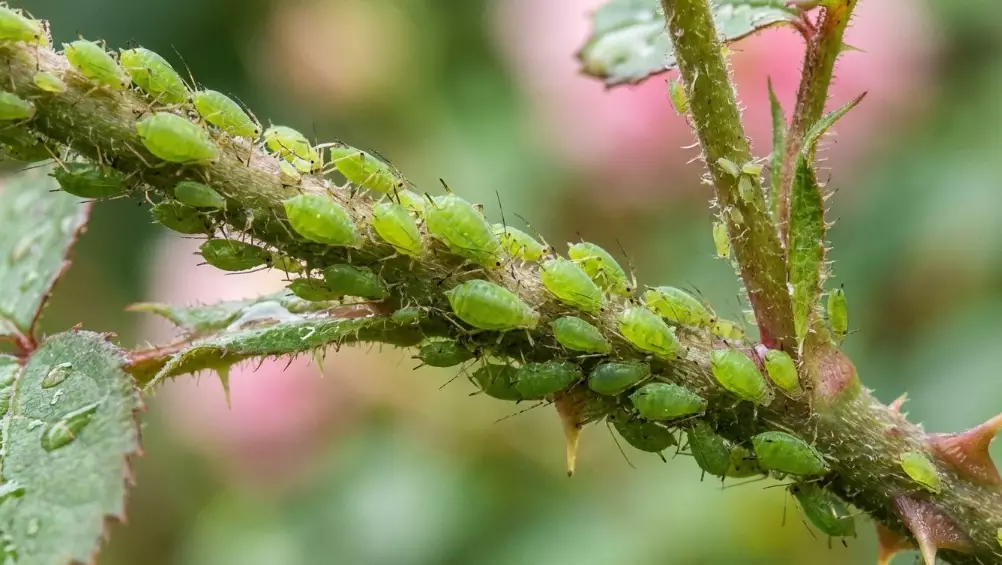
First, Make Sure It's Actually Aphids
Aphids are small, pear-shaped insects—usually green, but they can be black, brown, or even pink. They cluster on new growth, the undersides of leaves, and along stems. If you see sticky residue on leaves (that's honeydew) or ants crawling up your plants, aphids are likely the culprit.
Here's something I learned the hard way: aphids often show up before ladybugs do in spring. That early infestation can stunt young plants before natural predators arrive. So don't wait.
Why Go Natural Instead of Spraying Chemicals
Chemical sprays kill aphids fast, but they also kill the beneficial insects that keep aphids in check long-term. I've seen gardens where broad-spectrum insecticides created worse aphid problems because they wiped out ladybugs and lacewings. Natural methods take a bit more patience, but they build a balanced ecosystem.
Expert tip: A healthy population of beneficial insects can keep aphids below damaging levels without any intervention from you. Your job is to support those predators, not replace them.
Top Natural Methods That Actually Work
1. Blast Them With Water
This is the simplest method and often the most underrated. A strong stream of water from a hose knocks aphids off plants. They're not great at climbing back up. Do this in the morning so leaves dry before evening. I do it every few days during peak aphid season.
2. Introduce Beneficial Insects
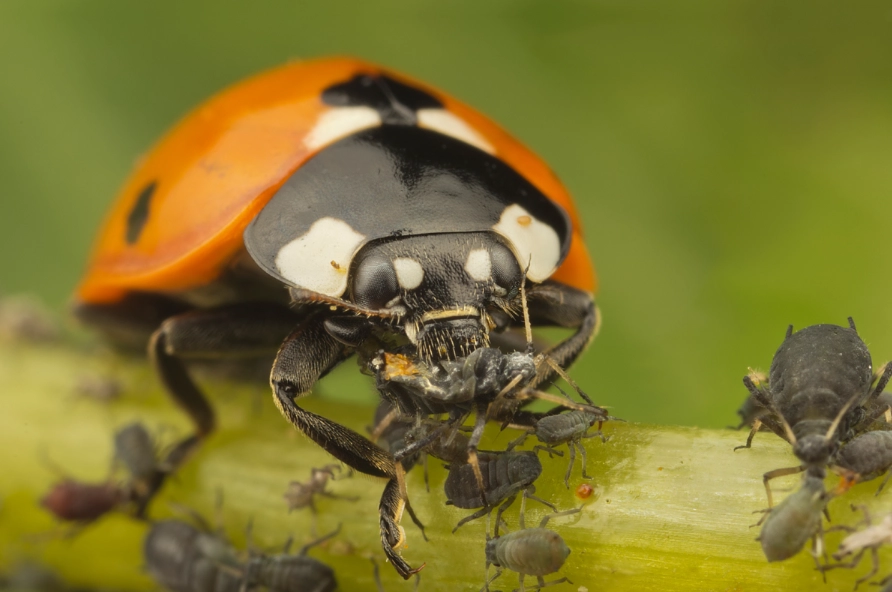
Ladybugs and lacewing larvae are aphid-eating machines. You can buy them online or attract them by planting dill, fennel, and yarrow. One thing I noticed: releasing ladybugs in the heat of the day is a waste—they fly away. Release them at dusk and water the area first.
3. Insecticidal Soap Spray
Mix a few tablespoons of mild liquid soap (not detergent) with a quart of water. Spray directly on aphids, coating them. It works by disrupting their cell membranes. Important: Test on a small area first—some plants are sensitive. And don't spray in full sun or high heat.
4. Neem Oil
Neem oil disrupts aphid feeding and reproduction. Mix according to package instructions and spray in the evening. It's not an instant kill, but it slows infestations significantly. I use it when I see aphids spreading to new plants.
5. Diatomaceous Earth
Food-grade diatomaceous earth (DE) is a fine powder that damages insect exoskeletons. Dust it on dry plants in the morning. Reapply after rain. It's less effective in humid conditions, so use it during dry spells.
Mistakes I Made (So You Don't Have To)
I once sprayed a soap solution on a hot afternoon and burned my zucchini leaves. Lesson learned: always test and always spray when the sun is low. Another time, I bought ladybugs and released them in the middle of the day—they vanished within minutes. Timing matters.
Also, don't ignore ants. Ants farm aphids for honeydew and protect them from predators. If you see ants, use a sticky barrier or ant bait (naturally derived) to break that relationship.
| Method | Best For | Frequency |
|---|---|---|
| Water blast | Small infestations, hardy plants | Every 2-3 days |
| Beneficial insects | Prevention and long-term control | Once per season |
| Insecticidal soap | Visible aphid clusters | As needed, up to weekly |
| Neem oil | Slowing reproduction | Every 7-14 days |
| Diatomaceous earth | Dry conditions, ground-level pests | Reapply after rain |
Your Questions, Answered
Will dish soap work just as well as insecticidal soap for aphids?
Dish soap can work in a pinch, but it's harsher and can strip protective waxes from leaves. Insecticidal soap is formulated for plants. If you use dish soap, pick one without degreasers or fragrances, and use less than you think—a teaspoon per quart is plenty.
How do I stop aphids from coming back after I knock them off with water?
Water blasting removes the current population, but it doesn't prevent new ones. Pair it with habitat for beneficial insects—plant alyssum, dill, or cosmos nearby. Those flowers attract ladybugs and hoverflies, which lay eggs near aphid colonies. It's a long-term fix.
Can I use neem oil and insecticidal soap together?
Don't mix them in the same spray bottle—they can react and reduce effectiveness. Instead, alternate: soap one week, neem the next if needed. Also, never apply neem oil within a few days of soap spray; it can cause leaf burn.
Why are my aphids only on the newest leaves?
Aphids prefer tender new growth because it's easier to pierce. That's why early detection is key—check the growing tips of your plants every couple of days during spring and early summer. A magnifying glass helps.
This article was fact-checked for accuracy against extension service guidelines and expert gardener interviews.