I stopped buying ladybugs by the pint after watching half of them fly over my fence in ten minutes. Beneficial insects for garden work, but only when you treat them as predators with specific needs, not as magic dust. Six years of raised beds, two Green Lacewing releases that failed, and one accidental ground beetle colony later, I know which purchases pay back and which ones just feed the birds.
Before you spend a dollar, the rule that saves the most money: match the predator to the pest, and fix the habitat before you buy the bug.
What Are Beneficial Insects for Garden (And What They Are Not)
Beneficial insects are predators and parasitoids that eat or disable the pests chewing your tomatoes and aphids sucking your roses. That's the short definition. The working one matters more: a bug only counts as beneficial if it stays, hunts, and doesn't turn your garden into a buffet for itself.
Here's the non-obvious part most guides skip. A predator that eats aphids but also eats your pollinators is not a clean win. Chinese mantises, for example, are sold as beneficial insects, and they will absolutely eat honeybees. I watched a mantis parked on my borage for three days doing exactly that. The old advice to release mantises for pest control is half-true at best.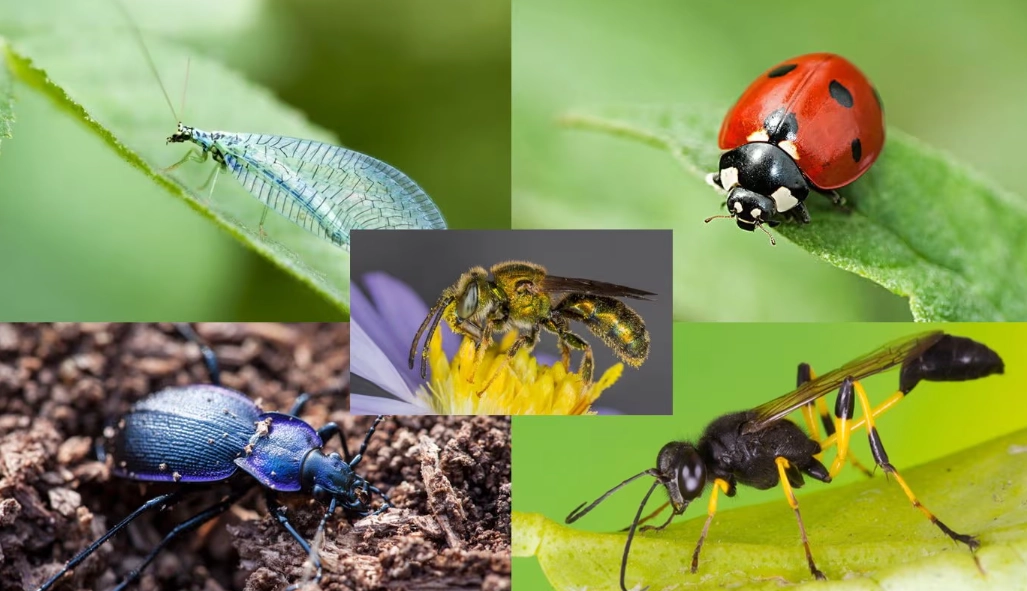
Bugs worth buying share three traits: a narrow pest target, a life stage that hunts in your climate, and a reason to stay (food, shelter, no pesticide residue). If one is missing, save your money.
7 Beneficial Insects That Earn Their Keep
These are the seven I've released, observed, or seen work in neighbors' plots within a 20-mile radius. The table sorts them by what they actually control, not by what the packaging claims.
| Beneficial Insect | Main Target | Best Use Case | My Real Result |
|---|---|---|---|
| Lady beetle (ladybug) larvae | Aphids, soft scales | Greenhouse or screened bed with food present | Larvae stayed and cleared aphids; adults flew off |
| Green lacewing larvae | Aphids, thrips, caterpillar eggs | Contained spaces, early season | Strong on thrips, disappeared fast outdoors |
| Parasitic wasps (Trichogramma) | Moth and butterfly eggs | Vegetable beds with recurring hornworms | Cut hornworm egg hatch noticeably in two weeks |
| Predatory mites | Spider mites | Drought-stressed containers | Worked only after I raised humidity |
| Ground beetles | Slugs, cutworms, soil larvae | Mulched beds, edges, stone borders | Best free recruit I ever got |
| Hoverfly larvae | Aphids on brassicas | Flower-dense borders near kale | Arrived on their own after I planted alyssum |
| Minute pirate bugs | Thrips, spider mites, small caterpillars | Late summer, mixed flowers | Bit me before they bit thrips; still worth it |
Lady beetles: buy larvae, not adults
The adults you buy are stressed, hungry, and ready to fly. Larvae look like tiny orange alligators and can't fly, so they eat aphids where you put them. Release them at dusk on a plant with an active aphid colony. If there's no food, they leave or starve.
Green lacewing larvae: early season only
I released lacewing eggs in late July once. By then the local predators had already claimed the territory, and the larvae got eaten. Early season, when pest numbers are climbing and your resident predators aren't established, is the window.
How to Attract Beneficial Insects Instead of Importing Them
The cheapest and most reliable strategy is habitat, not shipping. A native border beats a purchased box nine times out of ten. I tested a 4-foot strip of yarrow, dill, and alyssum beside a bed with heavy thrips pressure. Within three weeks, hoverflies and minute pirate bugs showed up on their own. No money spent.
Contrast that with a neighbor who bought three releases of ladybugs in one month. He ended up with fewer aphids, but he also ended up with fewer predators because the releases kept disturbing the local balance.
What the habitat needs to offer
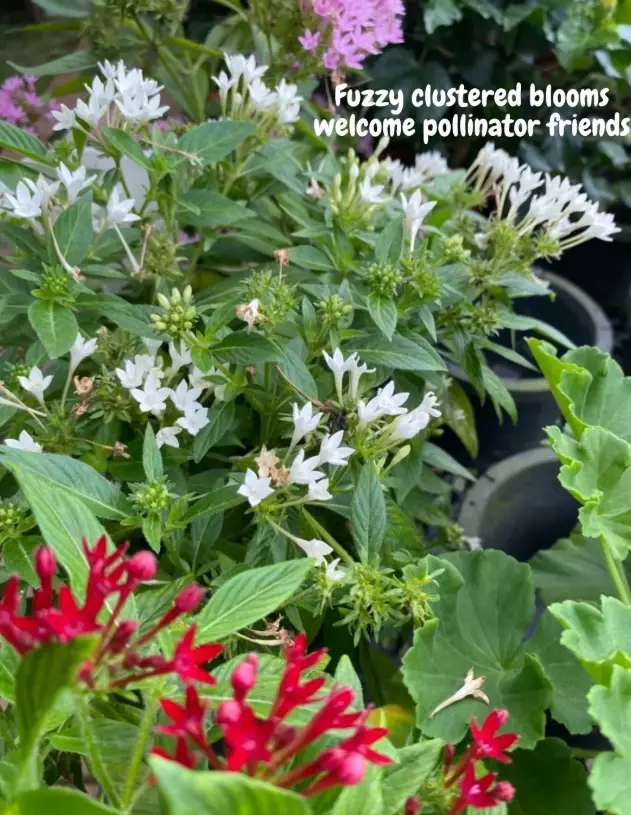
Nectar and pollen in small, open flowers. Dill, fennel, alyssum, yarrow, and cilantro flowers draw tiny parasitoids that can't reach into deep tubular blooms.
Water in shallow dishes with stones. Predators drown in open water. A saucer with pebbles gives them a landing pad.
Untidy edges. Ground beetles shelter under leaf litter and flat stones. If you rake every leaf, you remove their winter housing.
Pesticide residue is the silent killer. Even organic-certified sprays like pyrethrin can knock back the predators you release. Wait at least two weeks after any spray before releasing, and read the label's residual activity statement.
Release Mistakes I Made So You Don't Have To
Mistake one: releasing in full sun. Predators overheat and scatter. Dusk or an overcast morning is better.
Mistake two: putting the release card in the wrong spot. I once set lacewing eggs in a shaded bed with no prey. Nothing hatched successfully, or if it did, the larvae starved. Put the card near the pest colony, not near the nicest-looking plant.
Mistake three: ignoring ants. Ants farm aphids and will actively defend them against ladybugs. If you see ant trails on a plant, use a sticky barrier at the base before releasing predators. I learned that one after a ladybug release failed entirely around an ant-infested pepper plant.
Mistake four: expecting one release to solve the season. Beneficial insects are a season-long management tool, not a one-time fix. The gardeners I know who get the best results never release once; they build habitat, then release as a booster when pest numbers spike.
Garden Bug Questions I Get Asked Most
Do beneficial insects for garden work if I already have ants farming aphids?
Not until you deal with the ants. Ants will kill or chase off ladybugs and lacewing larvae to protect their aphid herd. Put a sticky barrier around the trunk or stem, or use ant bait stations away from the garden, then release predators. Skipping this step is the single most common reason a release seems to fail.
Should I buy ladybugs or wait for them to show up?
Wait, unless you have a screened greenhouse. Local ladybugs already know your garden and will stay if food is present. Purchased adults are notorious for flying off. If you must buy, buy larvae and release them at dusk with aphids already present.
Will beneficial insects survive a hot, dry week in containers?
Predatory mites and minute pirate bugs can, but only if you give them a microclimate. Group pots together, add a saucer of water with stones, and mulch the surface. I lost a whole predatory mite release on an exposed balcony until I started clustering containers and shading the pot sides.
Are praying mantises good beneficial insects for garden pest control?
They eat pests, but they also eat pollinators, and they don't discriminate by pest pressure. In a small garden, one mantis can do more harm to your bee visits than good to your aphid numbers. I don't release them and I don't recommend buying them for a mixed flower and vegetable garden.
That's the working system: identify the pest, fix the habitat, release the right predator at the right time, and let the local population take over. Most of my best predators now arrive free, and the releases are only a bridge when a pest population gets ahead of them.