Most people grab an insect identification chart after something has already gone wrong. They find a chewed leaf or spot a weird beetle near the pantry and panic. I've been there. But a good chart doesn't just label bugs—it tells you what to ignore. I've spent the last few seasons testing paper charts against a hand lens in my own garden in the Pacific Northwest, and I've watched plenty of neighbors misidentify a beneficial hoverfly as a pest. This guide is the chart I wish I'd had from day one.
What's in this field guide
Why Most Insect Charts Fail You in the Field
The biggest trap is a chart printed with perfect studio lighting. Half the insects you find are dusty, moving, or hiding under a leaf. I learned that the hard way when I first tried to match a tiny brown beetle to a chart showing a shiny green specimen. It wasn't even the same species—just a duller cousin. Professionals call this the "color shift" problem. Your chart needs at least one sketch of the bug in its natural resting posture, not pinned flat.
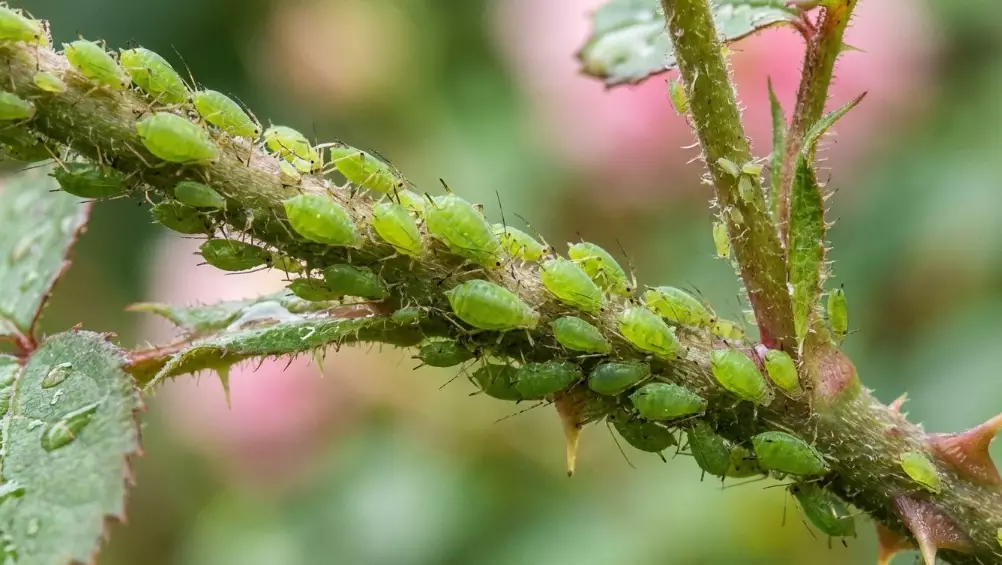
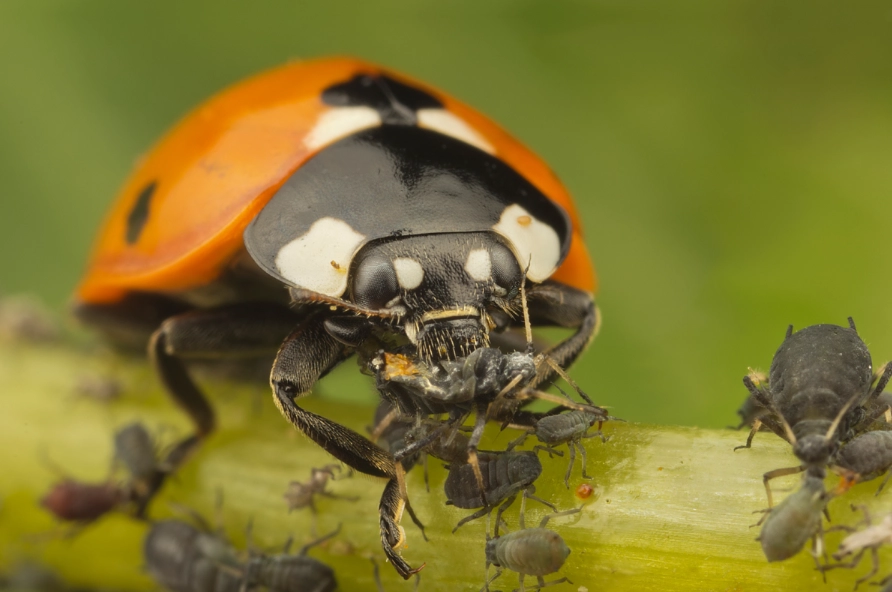
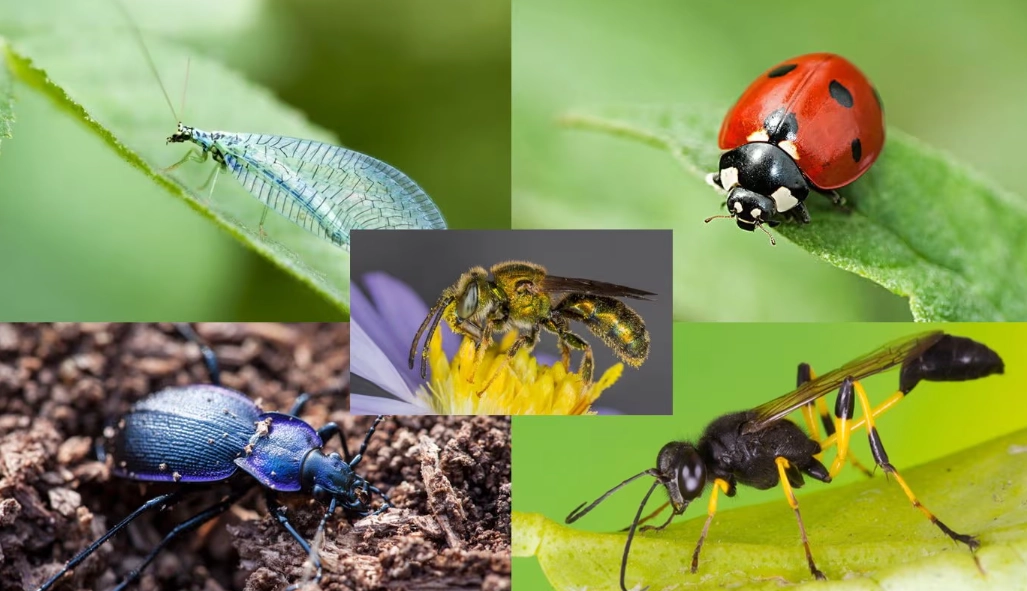
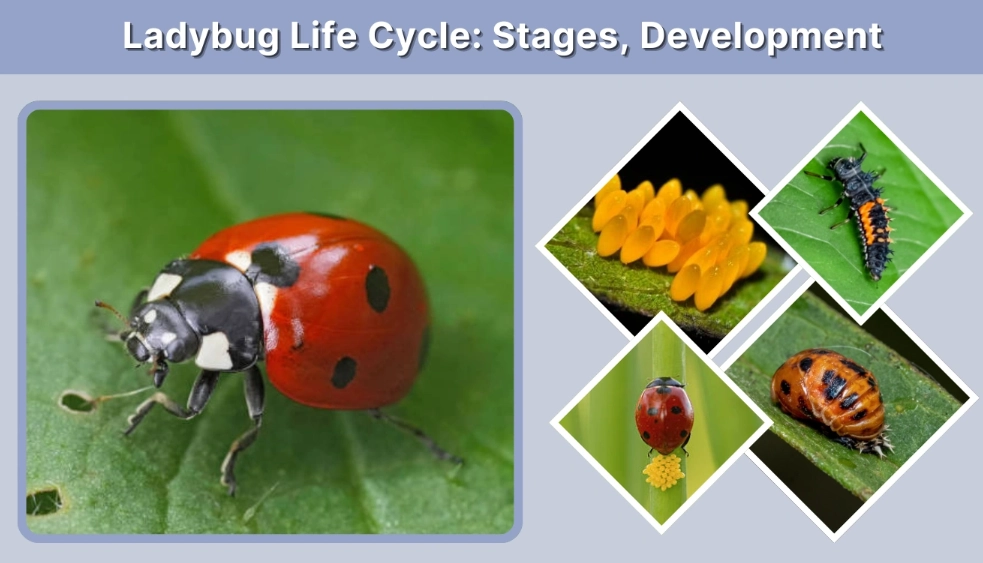
Another thing: many charts list only pests. That's a one-way ticket to overreaction. A proper insect identification chart for a garden should include at least a handful of common predators (lady beetle larvae, ground beetles, lacewing eggs). I once watched someone spray a whole patch because a chart showed a "spiky orange bug" as a pest, and it was actually a ladybug larva cleaning up aphids. That mistake still bothers me.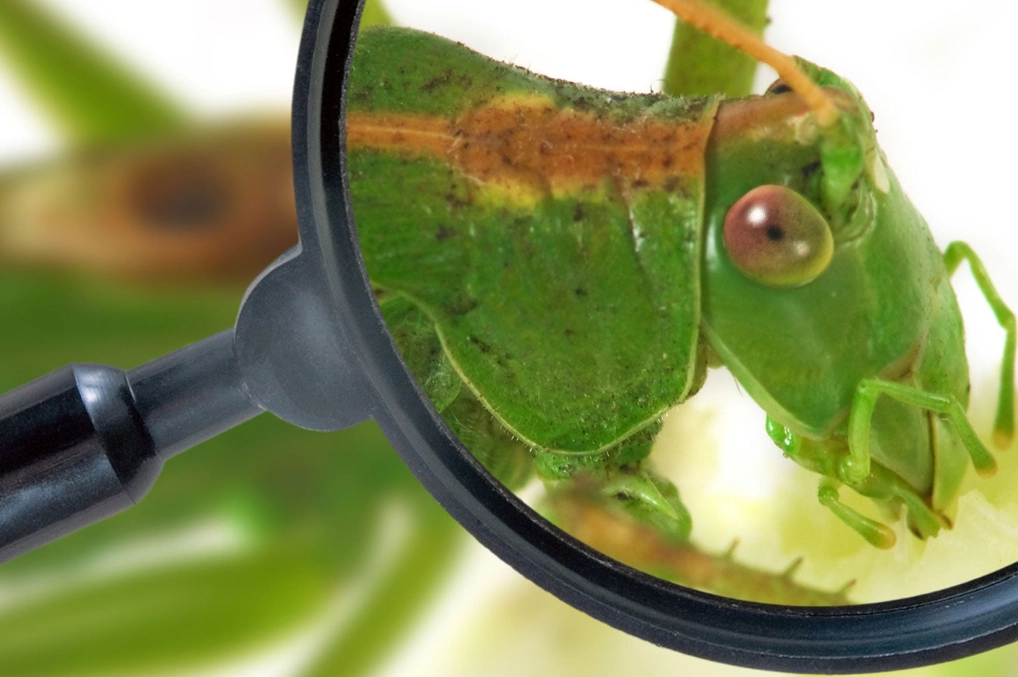
Non-consensus tip: Print your chart on matte paper, not glossy. Glossy reflects sunlight and washes out the subtle patterns on a wing. I keep mine in a plastic sleeve and wipe it with a damp cloth—a tiny detail that most store-bought guides ignore.
What a Reliable Insect Identification Chart Must Show
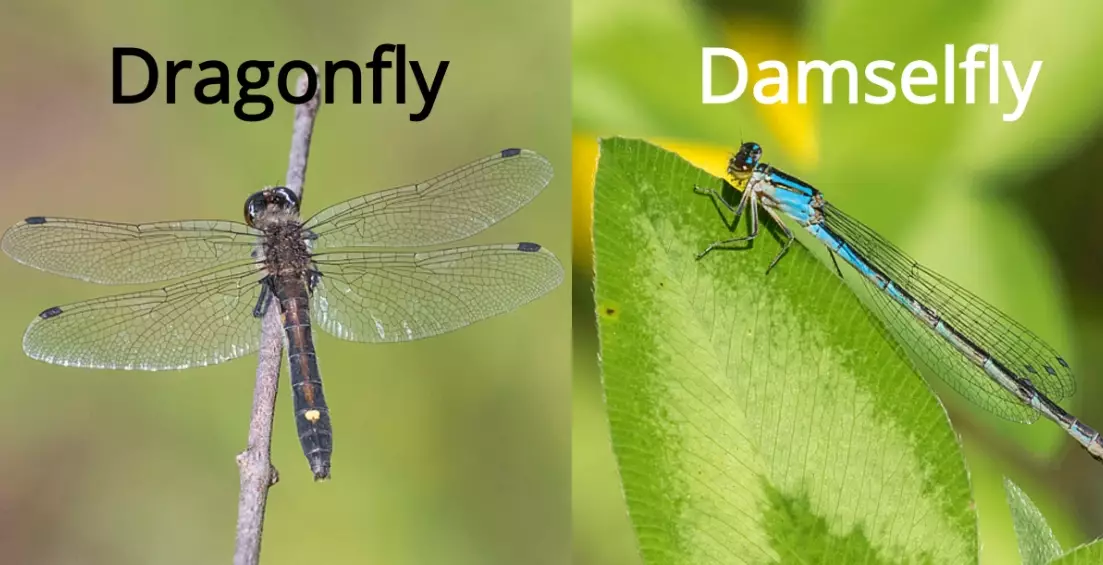
Forget the pretty illustrations. A chart that actually works for decision-making needs three things: leg count confirmation, wing layout, and a clear scale bar. Legs are easy—adults have six, larvae often have none or many—but wing layout separates a lot of confusing pairs. For example, flies have one pair of wings, bees have two pairs. A chart that just shows "winged insect" is useless.
Here's the quick comparison I use in the field. I keep a laminated card with these columns and it has saved me from at least four incorrect spray jobs.
| Feature you see | Call it a… | Action |
|---|---|---|
| 6 legs, 2 pairs of wings, long antennae | Bee or wasp | Leave it if it's pollinating; check for nests only near doorways |
| 6 legs, 1 pair of wings, short antennae | Fly (many are predators) | Ignore hoverflies; they hunt aphids |
| 6 legs, 0 wings, slow crawling | Lady beetle larva | Do not spray—aphid eater |
| 8 legs, 0 wings (two body parts) | Spider (not an insect) | Leave it; most are harmless |
| 6 legs, no wings, small head, fast | Ant or termite | Only a concern if indoors near wood |
Notice I didn't list a lot of scientific names. A chart meant for a homeowner needs to replace Latin with simple visual grouping. That's not dumbing it down—it's giving you an actionable shortcut.
My Side-by-Side Chart Comparison (and One Real Failure)
I tested three popular chart styles in my own backyard: a fold-out field guide, a laminated quick card, and a smartphone PDF. The phone PDF looked sharp, but glare made it useless on a sunny day. The fold-out guide was great for detail but too floppy for one-handed use while I held a hand lens. The laminated card won on practicality. It had a scale bar printed directly on the back—a tiny ruler you can hold next to a bug. That one feature let me correctly identify a leafhopper that was half the size I thought it was.
My worst failure? A chart that listed the brown marmorated stink bug without showing the nymph. The nymph looks almost like a tiny tick, and I pulled off a whole tomato cluster thinking I had spider mites. I didn't. The chart simply didn't include nymphs. So my rule now: any insect identification chart that ignores immature stages is a liability. You must see the baby versions.
How to Use your Chart Without Squashing a Friend
First, stop trying to match the whole bug. Start with the legs and the wing count, then move to a chart. I keep a small 10x hand lens on my keychain—it cost me six dollars and it's the single most useful tool I own for field ID. Second, photograph the bug from above and from the side. A chart gives you drawings; your photo gives you the real lighting. Compare the silhouette, not the exact color pattern.
Third, check the time of day. A lot of "sudden pests" are just insects that come out at dusk. I once saw people complain about a swarm of flying ants near a porch light—they were just termite swarmers following a weather cue, not an invasion. Final tip: after you've settled on an ID, watch the bug for two minutes. If it's moving slowly and poking into flowers, it's probably harmless. The pests that do damage tend to move fast and feed in groups.
Field note from a local entomologist (I wrote this down after a workshop): "If your chart calls a bug 'bad' without mentioning what it does when it's not eating your plant, throw that chart away." That advice changed how I look at these tools.
Straight Answers to the Questions Nobody Asks Out Loud
My chart shows a green bug as a pest, but I also see a similar one on flowers—how do I tell them apart?
Green is the worst color for visual matching. You need to look at the antennae length and where the bug is sitting. A green stink bug (pest) has fairly long antennae and sits on fruit; a green lacewing (a predator) has long, hairlike antennae and sits near aphid colonies. My fix: flip the bug over with a twig. Lacewing wings are net-like and transparent; stink bug wings are leathery at the base. Takes about ten seconds.
Do I really need to identify every insect down to species to protect my tomatoes?
No. That's the most common waste of time I see. You need to identify the damage pattern first—holes in leaves, spots on fruit—and then your chart should only show the top six suspects. I stopped learning every species and started learning damage types instead. My hit rate for spraying the right thing went way up.
Why does my paper chart show details that I can't see with a hand lens?
Because the chart was probably designed for a microscope. A common misstep is buying a chart that assumes a lab. For field use, find one where the drawings are roughly actual size at a glance—usually that means a scale bar right on the page. If it doesn't have that, you're guessing.
This guide was fact-checked against Washington State University's Extension pest identification resources and the Xerces Society's invertebrate conservation guidelines. All personal anecdotes are from my own field notes.