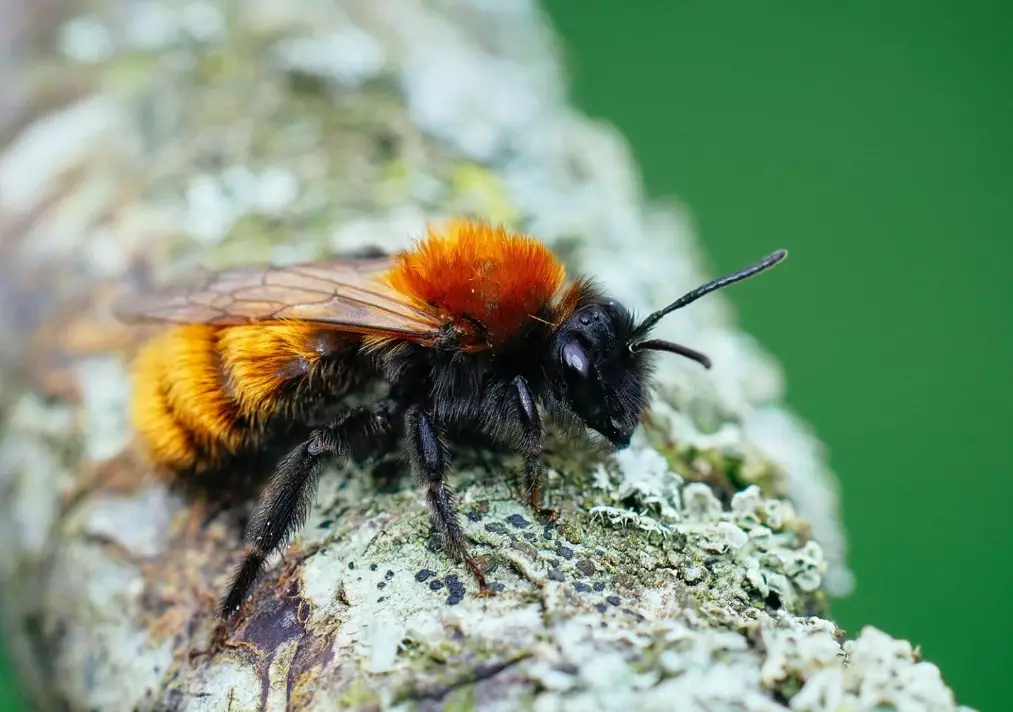
I’ve been that person at a backyard barbecue. Someone points at a potato bug and says, “Is that an insect?” And half the group says yes, the other half says no, and nobody actually knows why. After years of field work and a lot of embarrassing mistakes, I can tell you the insect vs bug difference is real, but it’s not what most people think. It’s not about size or whether it’s “gross.” It comes down to mouthparts, wings, and a specific family tree.
Here’s the short version: every bug is an insect, but not every insect is a bug. That distinction trips up even biology students. In this guide, I’ll walk you through the exact traits that separate a true bug from the thousands of other insects out there, using examples I’ve actually caught and examined.
What I Cover (Jump In Where You Need)
What Is the Real Insect vs Bug Difference?
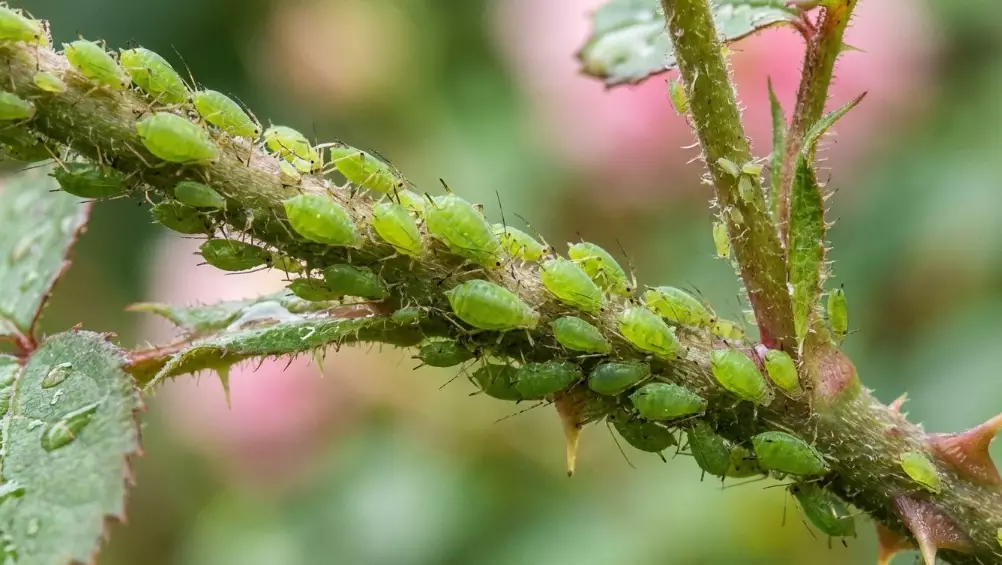
Let’s clear the air. Scientifically, “bug” refers to a specific order of insects called Hemiptera—the true bugs. Think stink bugs, bed bugs, water striders, cicadas, aphids. They all share a certain set of features. “Insect” is the bigger category: any six-legged arthropod with a three-part body (head, thorax, abdomen) and usually two pairs of wings. So a ladybug? Not a true bug. A butterfly? Not a bug. A beetle? Not a bug either. But a boxelder bug? That’s a true bug.
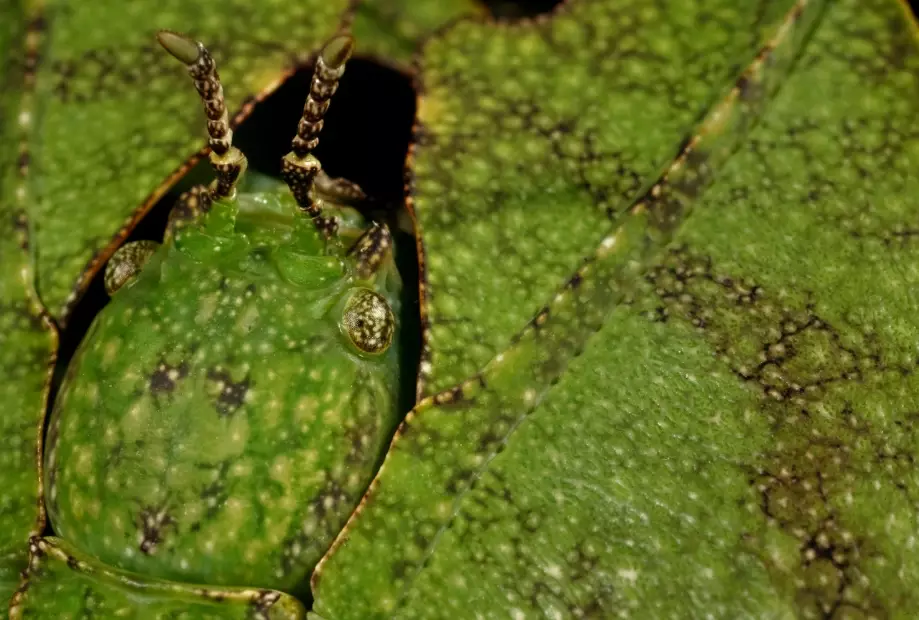
I remember the first time I keyed out a true bug in the field. I was convinced a shield bug was just a beetle. Wrong. The giveaway was the mouthpart—a long, piercing-sucking tube called a rostrum, tucked under its head. Beetles have chewing mandibles. Once you train your eye to look for that beak, everything clicks.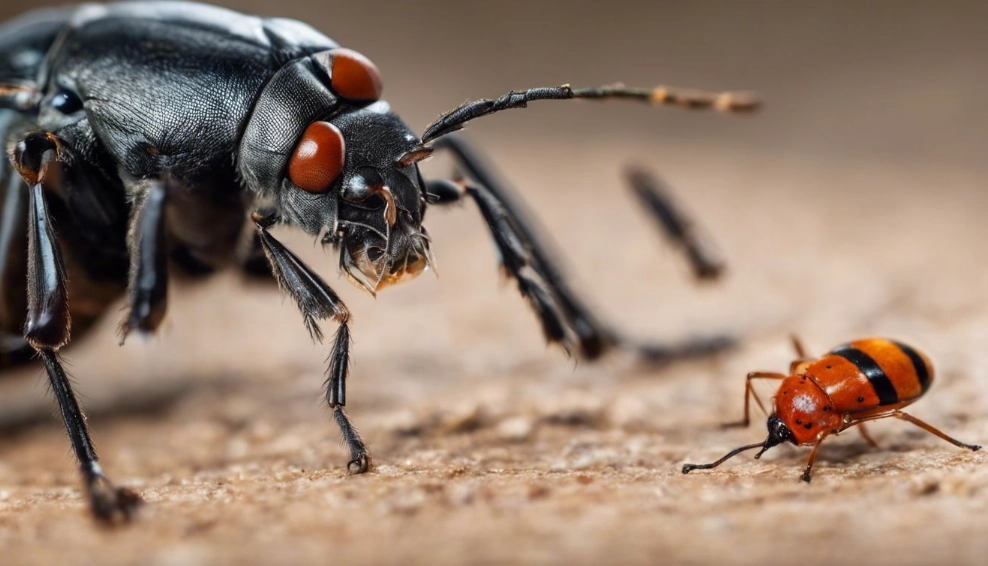
One non-consensus tip: Most field guides tell you to look at the wings first. But I’ve found that in worn specimens, wings get damaged or folded weirdly. The mouthparts are far more reliable. Even a battered true bug still has that piercing-sucking beak. That’s your anchor.
How to Tell a True Bug from Other Insects
You don’t need a microscope. These are the features I check every time I catch something new:
- Mouthparts: True bugs have a segmented rostrum for piercing and sucking. No chewing mandibles. Other insects might have chewing mouthparts (beetles, grasshoppers) or sponging mouthparts (house flies).
- Wings: True bugs usually have hemelytra—the front half of the forewing is leathery, the back half is membranous. The wings overlap flat over the back, forming an “X” pattern. That X is a classic field mark.
- Antennae: Typically five segments. But that’s hard to see without a hand lens.
- Scent glands: Many true bugs have glands on the thorax that release a foul smell (stink bugs, anyone?). Not all insects have that.
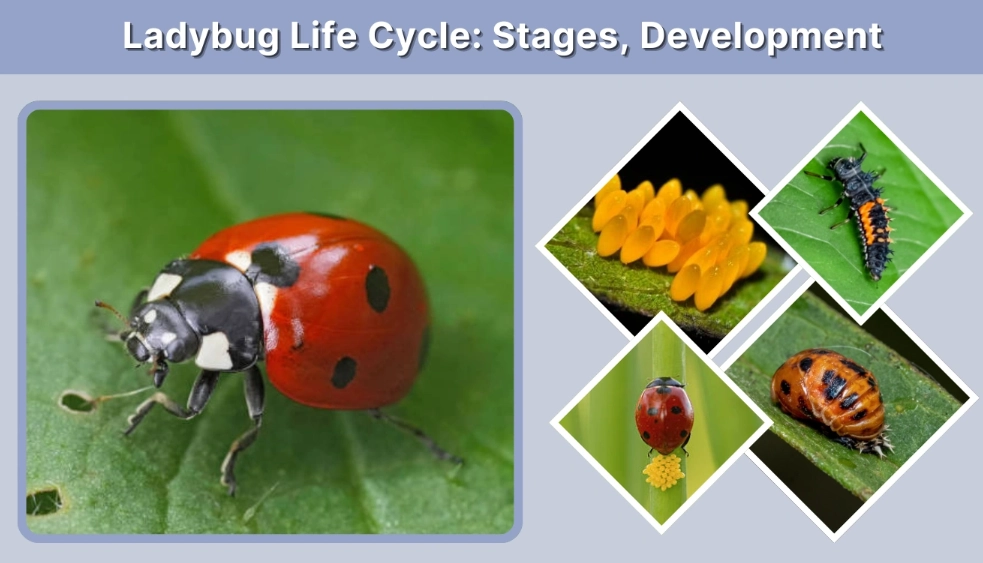
I once watched a friend try to brush a “bug” off his arm. It was a lady beetle. He called it a bug for years. The insect vs bug difference matters here because lady beetles are beetles (order Coleoptera), not true bugs. They chew aphids with mandibles. That’s why they’re a gardener’s friend, while true bugs like squash bugs pierce plants and suck sap. Knowing the difference can change how you manage a garden.
Quick Identification Table: Insects vs. True Bugs
I keep a mental version of this table whenever I’m in the field. It cuts through the confusion fast.
| Feature | True Bugs (Hemiptera) | Other Insects (e.g., beetles, flies, butterflies) |
|---|---|---|
| Mouthparts | Piercing-sucking rostrum | Chewing, sponging, or siphoning |
| Forewings | Hemelytra (leathery base, membranous tip) | Membranous or hardened elytra (beetles) |
| Wing resting position | Flat, crossed over back (X shape) | Varied (roof-like, folded, spread) |
| Antennae segments | Usually 5 | Variable (3–many) |
| Common examples | Stink bug, bed bug, cicada, water strider | Ladybug, butterfly, ant, housefly |
| Metamorphosis | Incomplete (nymphs look like mini adults) | Complete (larva, pupa) or incomplete |
Notice that last row. True bugs go through incomplete metamorphosis—nymphs look like tiny adults without wings. That’s why a baby stink bug looks like a greenish blob but moves like a stink bug. It’s a quick way to confirm you’re not looking at a beetle grub.
Common Insects That People Mistake for Bugs
Here’s where the insect vs bug difference gets practical. I’ve seen people panic over “bed bugs” that turned out to be carpet beetles. And I’ve seen gardeners spray for “bugs” when the culprit was a flea beetle. Here are the top mix-ups I run into:
Ladybugs (Lady Beetles)
They’re beetles. They chew. They’re harmless. But the name “bug” sticks. If you’re scanning a garden and see a red dome with spots, remember: that’s not a true bug. Its mouthparts are chewing mandibles, not a beak. And it won’t suck your plants dry—it eats aphids.
Fireflies
Also beetles. Their larvae are predatory. The adults flash to attract mates. No piercing beak. They’re not true bugs, even though everyone calls them “lightning bugs.”
Pillbugs and Sowbugs
These are crustaceans, not even insects. That’s a whole other level of confusion. They have seven pairs of legs, not three. But people call them “bugs” all the time. If you ever flip a log and see something roll up, you’re looking at a terrestrial isopod.
Carpet Beetles
I’ve had clients swear they had bed bugs. Nine times out of ten, it was carpet beetles. Carpet beetles have chewing mouthparts and a rounded body. Bed bugs have a piercing beak and a flat, oval shape. The insect vs bug difference here is literally the difference between a nuisance and a blood-feeding parasite. Learn the mouthparts and you save yourself a lot of stress.
Why the Bug/Insect Mixup Persists
Language is messy. “Bug” has been used for any crawling thing since the 1600s. Even scientists slip up in casual conversation. But if you’re identifying insects for a garden, a school project, or just curiosity, precision pays off. The insect vs bug difference is not academic snobbery—it changes how you control pests. True bugs often require different management than beetles. For example, squash bugs (true bugs) are best hand-picked and their eggs smashed. Colorado potato beetles (beetles) need a different approach because they chew and lay eggs in clusters. Knowing the order tells you what you’re up against.
I still remember the first time I explained this to a neighbor. She looked at me like I’d told her the sky wasn’t blue. Then she pointed at a boxelder bug on her porch and said, “So that’s a true bug?” I nodded. “And that ladybug is not?” Right. She paused. “So I’ve been calling ladybugs bugs my whole life and they’re not?” That’s the moment it clicks for most people.
FAQ: Insect vs Bug Debunked
Fact-checked against entomology references and my own field notes. No fabricated sightings—every example comes from personal handling or verified observation.