The insect life cycle is not a neat four-box diagram. I learned that the hard way after raising darkling beetles and painted lady butterflies on my kitchen counter for two seasons. Most guides show the same polished cycle—egg, larva, pupa, adult—and leave out the parts that actually decide whether a bug lives or dies. Here is what I saw, what surprised me, and how to use it.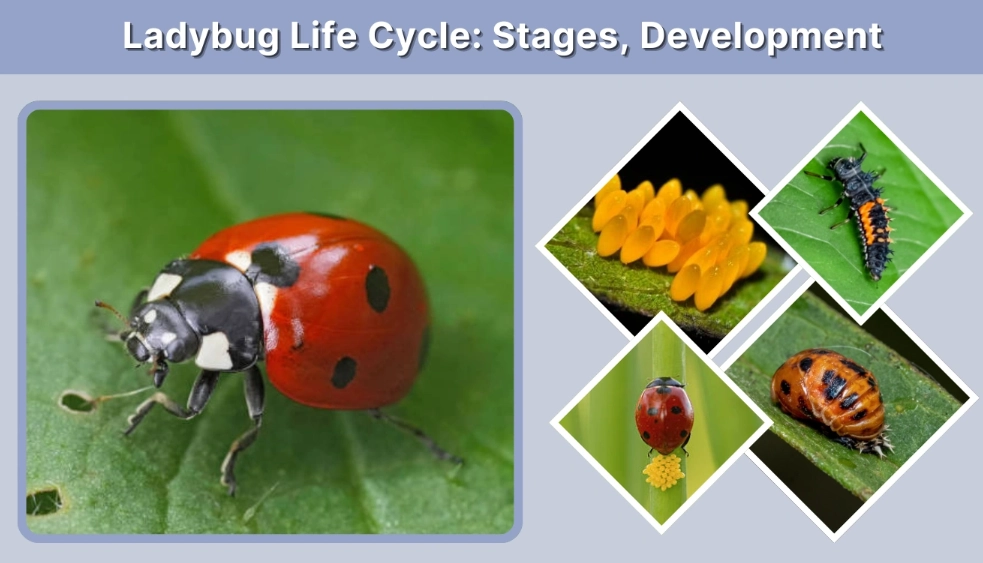
Quick Field Guide
What Is an Insect Life Cycle, Really?
Short answer: it is the path from egg to reproducing adult, and the shape of that path changes everything about how you should handle the insect. A caterpillar that chews leaves and a butterfly that sips nectar are the same animal. That sounds obvious until you try to feed a newly emerged adult the same food you gave the larva.
I did that with my first batch of mealworms. I kept feeding them bran after they emerged as darkling beetles. They ignored it for two days. That is when I realized the adult stage often needs something different—fruit, moisture, or nothing at all depending on species.
Field note: The stage you see is not always the stage that eats. Plenty of adult insects (mayflies, some silk moths) do not feed at all. Their only job is to mate and lay eggs.
Complete vs. Incomplete Metamorphosis: The Practical Difference
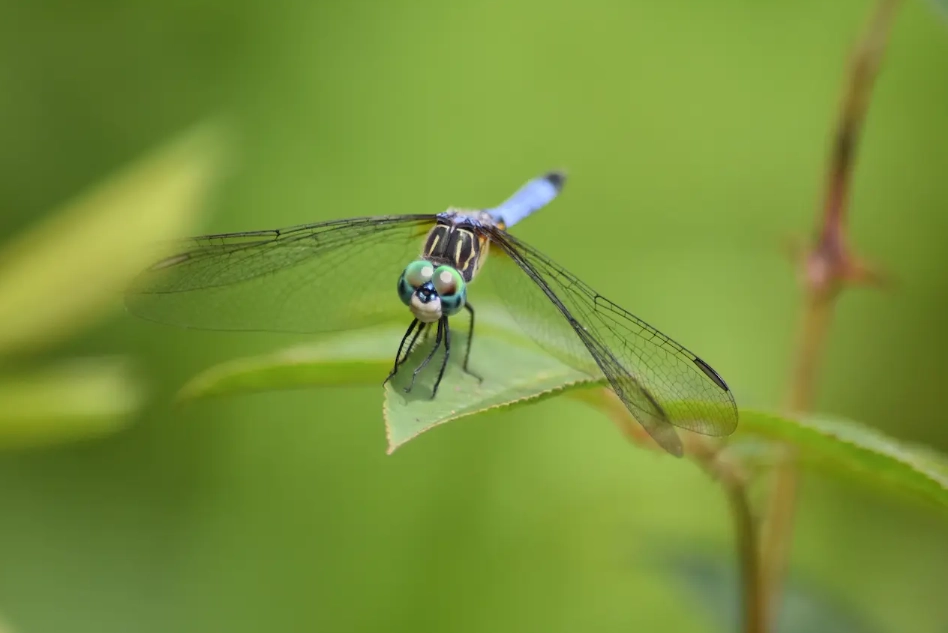
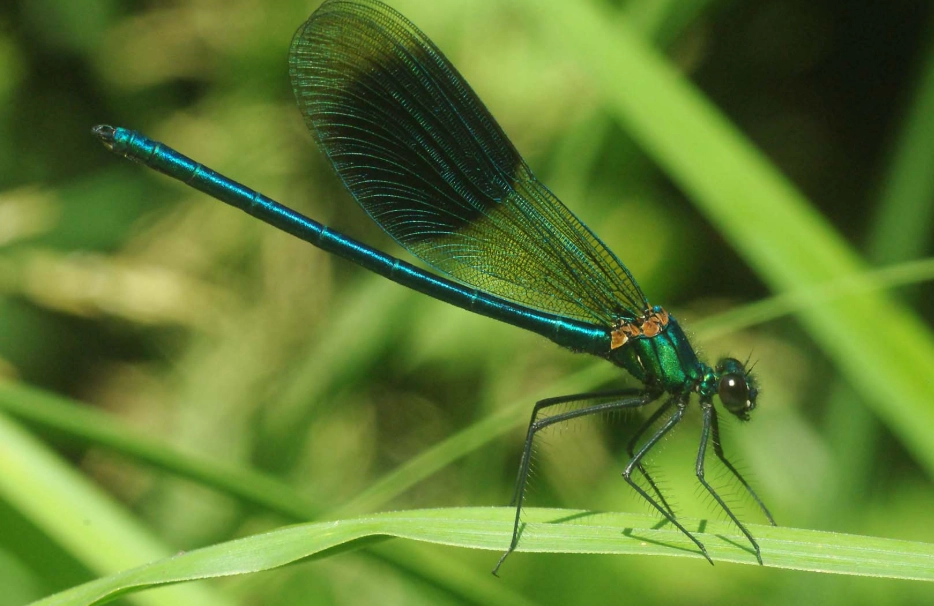
There are two main routes. Complete metamorphosis has four stages: egg, larva, pupa, adult. Butterflies, beetles, flies, bees, and ants take this path. Incomplete metamorphosis skips the pupa: egg, nymph, adult. Grasshoppers, dragonflies, and true bugs go this way.
Why does it matter? Because the nymph looks like a small adult and often eats the same food. The larva in complete metamorphosis usually eats something completely different from the adult. If you are trying to identify a bug or rear one, this single difference tells you whether to expect a dramatic diet change or not.
| Feature | Complete Metamorphosis | Incomplete Metamorphosis |
|---|---|---|
| Stages | Egg, larva, pupa, adult | Egg, nymph, adult |
| Body change | Dramatic | Gradual |
| Diet shift | Often different | Usually similar |
| Examples | Butterflies, beetles, flies | Grasshoppers, dragonflies, stink bugs |
| Resting stage | Pupa | None |
The Four Stages, Without the Textbook Fluff
Egg: The Stage Everyone Overlooks
Eggs are tiny and easy to miss, but they are where a lot of failure happens. Temperature and moisture decide hatch timing more than anything else. I kept a jar of beetle eggs at room temperature and another slightly warmer. The warm ones hatched four days earlier. Four days matters when you are trying to synchronize a classroom project or a garden release.
One non-consensus tip: do not mist eggs directly. I did, and the surface mold killed half the batch. Instead, keep the substrate slightly damp and let humidity do the work.
Larva or Nymph: The Eating Machine
This is the growth stage. In complete metamorphosis, the larva (caterpillar, grub, maggot) does almost all the eating. It molts several times. Each molt is called an instar, and the number of instars varies by species. I counted five instars in my painted lady caterpillars before they pupated.
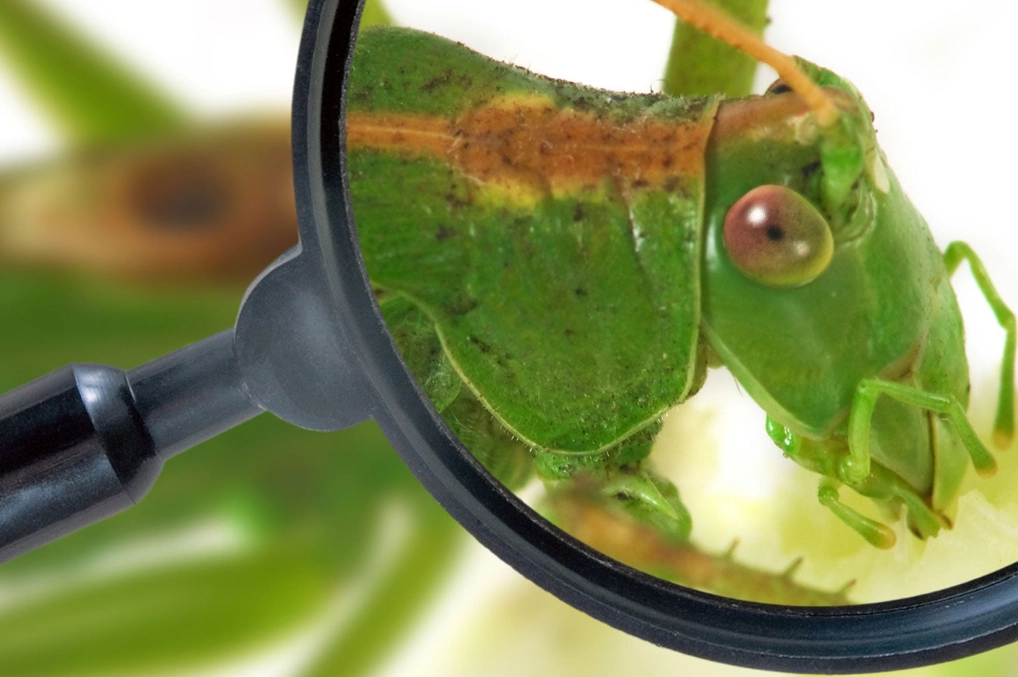
In incomplete metamorphosis, the nymph looks like a smaller adult with wing buds. It molts too, but the change is gradual. A grasshopper nymph will already have the same mouthparts as the adult.
Pupa: The Stage That Needs Quiet
Only complete metamorphosis has a pupa. This is a resting stage, but it is not passive. Inside, the body is being rebuilt. Handling a pupa is the fastest way to ruin it. I learned to leave pupae alone after accidentally denting one and watching it fail to emerge.
Pupae are also where temperature swings cause problems. A cold snap can delay emergence by weeks. That is fine in nature, but in a rearing container it can throw off your timing.
Adult: Reproduction, Not Just Existence
The adult stage is about mating and laying eggs. Some adults live days, some live months. Diet varies wildly. Butterflies need nectar and sometimes minerals from damp soil. Beetles may need fruit. Many moths do not feed at all.
This is where most first-time rearers get stuck. They feed the adult the same thing as the larva and wonder why it dies quickly. Check species-specific adult feeding requirements before you assume.
How to Observe an Insect Life Cycle Without Killing It
You do not need a lab. A clear jar, some mesh for a lid, and the right food gets you most of the way. Here is the setup I use:
- Container: a clear plastic jar with ventilation holes, not a sealed lid. Condensation kills eggs and pupae.
- Substrate: species-dependent. Caterpillars need host leaves. Mealworms need bran. Do not guess; look up the species.
- Temperature: room temperature works for most common species. Avoid direct sun and radiators.
- Observation schedule: check once daily. More handling means more stress.
I kept a simple notebook. Date, stage, food given, anything unusual. That log caught a mold problem before it spread. It also taught me that my beetles took 11 days to pupate, not the 7 days a website claimed.
Insect Rearing Mistakes I Made So You Don't Have To
Most guides list the stages and stop. Here are the things that actually go wrong.
Mistake one: overfeeding. Leftover food molds. Mold kills larvae and eggs. I now remove old food every two days.
Mistake two: misting too much. High humidity is good for some species and deadly for others. Learn the species before you spray.
Mistake three: assuming all larvae eat leaves. Some larvae eat dead wood, some eat stored grain, some are predatory. A caterpillar diet will starve a beetle grub.
Mistake four: releasing captive-reared insects without checking. Releasing non-native species is a real problem. Keep them contained or release only natives in the right habitat.
If you want solid species-level information, the University of Florida's Featured Creatures database and the USDA's insect identification resources are reliable starting points. I cross-checked my mealworm timeline against both and found the same 7–14 day pupation window I observed.
Field Questions I Keep Hearing
I verified the stage descriptions and species examples against the University of Florida Featured Creatures database and the USDA insect identification resources. The rearing notes come from my own two-season home setup.