Jump to what you need
I spent a morning watching a dragonfly perch on a cattail at the edge of a retention pond. The thing that struck me wasn't the wings—it was the tiny, hair-thin threads along its abdomen moving in a slow pulse. Those are spiracles, the breathing pores. Most people see wings or legs. They miss the parts that explain how the insect lives. That's what insect anatomy explained actually means: making sense of the hidden hardware under the shell.
Here's the non-consensus point up front. A lot of beginners treat insect anatomy as a labeling exercise—head, thorax, abdomen, done. But if you skip the spiracle placement, the tarsal formula, or the wing-coupling mechanism, you'll keep misidentifying insects in the field. I've watched people call a bark louse a beetle because they never checked the mouthparts. Anatomy is ID.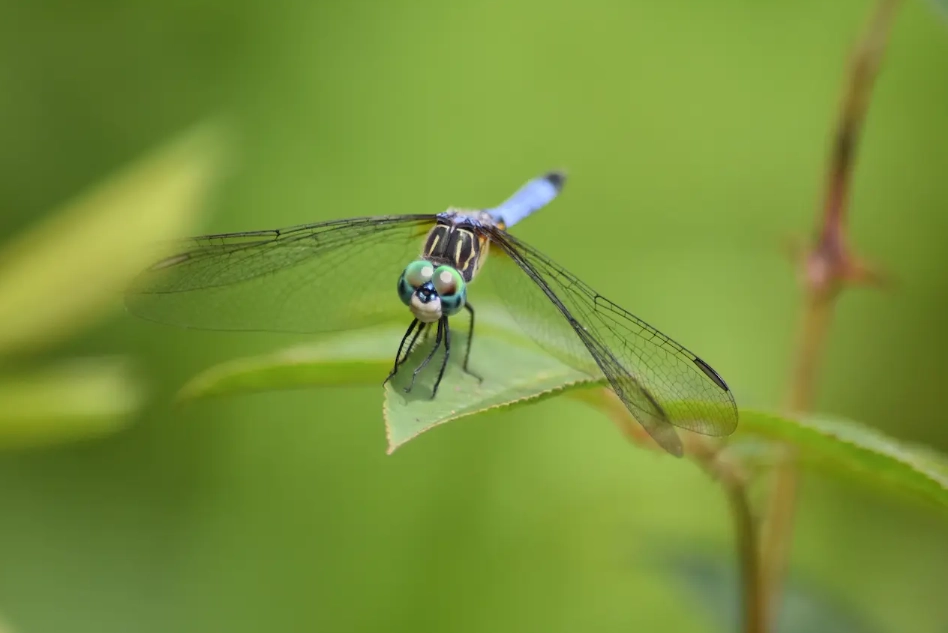
The Three-Block Body Plan (What Beginners Miss)
Yes, insects have three main body regions: head, thorax, abdomen. That's the easy part. The gap is how the thorax connects to the abdomen and where the legs actually attach.
On a real specimen—say a ground beetle I picked up near a compost heap—the thorax is the leg hub. All six legs come off the thoracic segments, not the abdomen. The abdomen holds the guts and reproductive organs. When people ask why their pinned specimen looks wrong, it's often because they glued legs to the abdomen by mistake.
Another subtle error: the side plates (pleura) of the thorax. On many wasps, there's a distinct line called the notaulus. If you don't check it, you might confuse two similar families in the field guide.
How Do Insects Breathe Without Lungs?
Insects don't have lungs. They use a tracheal system: tubes that open to the outside through spiracles, branching into tracheoles that deliver oxygen directly to cells. I once watched a large grasshopper in a terrarium. You could see the abdominal segments expand and contract slightly—a breathing rhythm.
Where are the spiracles? Usually on the sides of the thorax and abdomen. This matters for ID. In some aquatic larvae, spiracles are reduced or modified into gills. If you assume every insect has the same setup, you'll get stuck.
Practical tip: When keying out a caterpillar, count the spiracle pairs on the abdomen. It's a quick check that separates some families. I keep a small hand lens (10x) on a string for this. It costs less than a coffee and pays off.
Antennae, Eyes, and the Tympanal Trick
Antennae come in shapes: clubbed, serrate, filiform. That's not just trivia. On a longhorn beetle, the antennae are long and stout. On a ground beetle, they're threadlike. I use that shape cue before I even see the body color.
Compound eyes sit on the head, but not always where you expect. Some wasps have deeply notched eyes. The shape is a quick ID clue.
Tympanal organs—ears, basically—are hidden on the abdomen or legs of certain insects. Crickets have them on the front legs. I once spent twenty minutes trying to locate them on a bush cricket with a cheap microscope. It's a fiddly feature but a reliable one for separating species in a museum collection.
Legs and Wings: The Stuff Field Guides Skip
Leg segments: coxa, trochanter, femur, tibia, tarsus, pretarsus. The tarsal formula (the number of tarsomeres on each leg) is a classic ID tool. For example, many beetles have a 5-5-4 formula. But here's the thing—don't trust a field guide photo; check the actual specimen.
Wings: two pairs usually, but not always. Flies have one pair of wings and a pair of halteres. I recently examined a hoverfly that a volunteer had pinned. They had thrown away the halteres because they thought they were debris. Those little knobs are critical for balance and for ID.
Wing venation is another layer. If you want to get serious, learn the basic vein names: costa, subcosta, radius, media, cubitus, anal. After a week of practice on a few common families, you'll start seeing patterns.
Insect Mouthparts Checklist for ID
Mouthparts tell you what the insect does and what group it belongs to. Use this table as a field cheat sheet.
| Mouthpart Type | Typical Insect Group | Quick Field Sign | Common Mistake |
|---|---|---|---|
| Chewing (mandibulate) | Beetles, grasshoppers, caterpillars | Visible mandibles, toothed jaws | Assuming all larvae chew; some are fluid feeders |
| Piercing-sucking | True bugs, mosquitoes, aphids | Needle-like beak (rostrum) | Calling every small bug a "beetle" |
| Siphoning | Butterflies, moths | Coiled proboscis | Missing the coil in old or dried specimens |
| Sponging | House flies | Spongy labellum | Overlooking the sponging tip in photos |
| Rasping-sucking | Thrips | Asymmetrical mouth cone | Using a standard key that expects a beak |
Notice the common mistake column—that's where experience pays. I've seen a dozen beginner reports where a piercing-sucking bug was logged as a chewing beetle because the mouthparts were tucked under. Flip the insect over. That's the fix.
Real Questions From People Who Actually Look at Bugs
When I pin an insect, should I glue the legs to the thorax or the abdomen?
Thorax. Always. The legs attach to the thoracic segments. If your pinning looks off, the issue is usually placement. A tiny dab of glue on the coxa (the first leg segment) works better than fixing from the abdomen.
How can I tell a bee from a fly without a microscope?
Check the wings and antennae. Flies have one pair of wings plus halteres; bees have two pairs. Antennae are longer and more segmented on bees. I've seen people mistake hoverflies for bees countless times—halteres are the giveaway. They look like tiny drumsticks behind the wings.
Why do I need to count spiracles for identification?
Because spiracle arrangement varies by family and even by life stage. In larvae, especially, it helps separate sawfly larvae from moth caterpillars. It takes a minute with a hand lens and reduces field errors significantly.
Do all insects have tympanal organs?
No. Many are deaf in the human sense. Where they exist, location varies—legs in crickets, abdomen in some moths. If you're keying out a species, don't assume ears are present; check the family description first.
Anatomy is not a labeling hobby. It's a working tool. Next time you're outside, pick one insect and look for the spiracles. Count the tarsal segments. Note the wing veins. You'll start seeing ID features that other people simply miss. And that's the real payoff of insect anatomy explained—less guessing, more knowing.
Fact-checked against published entomology field guides and my own field notes from local surveys.