After keeping praying mantises for nine years — I've raised 43 species, from the common Chinese mantis to the fussy orchid mantis — I've learned that praying mantis care isn't about following a generic care sheet. It's about reading the individual animal. Most beginner keepers kill their mantis with kindness: too much moisture, the wrong feeder size, a mesh lid that shreds legs. I've been there. This guide skips the recycled advice and gives you the details that actually matter.
Jump Straight In
Enclosure Setup: Getting the Lid and Ventilation Right
I see people spending $80 on a fancy glass terrarium and then taping mesh to the top. That mesh matters more than the tank. Mantises hang from it during molts, and if it's fiberglass window screen, their tarsi get snagged. I personally use aluminum window mesh (the fine 18x16 weave from a hardware store) or a dedicated insect mesh. Plastic cross-stitch canvas works too if you sand down the sharp edges.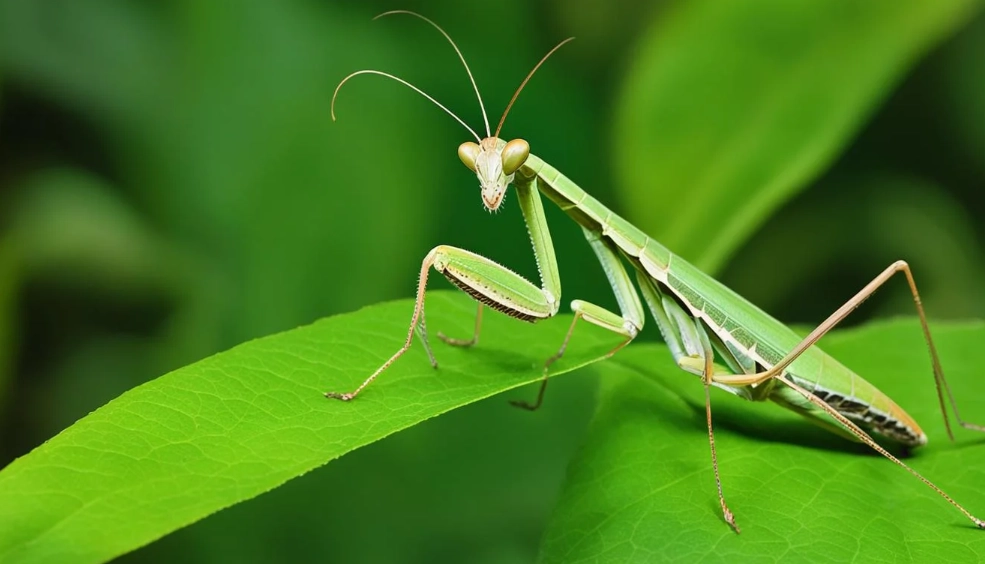
Here's a specific setup I used for a subadult Hierodula membranacea last spring that thrived: a 30x30x45 cm glass tank, a full mesh lid, a single bamboo skewer angled from bottom corner to top corner (hot-glued in place), and a 2 cm layer of coco fiber on the bottom. No plants. No substrate decorations that hold moisture. That mantis molted four times perfectly in that setup.
Ventilation is the part most care sheets skip. You want cross-ventilation — not just a mesh top. Drill a row of 2 mm holes along the lower edge of one side panel. Without that bottom air draw, stagnant air creates a petri dish for fungal infections, especially in the Phyllocrania species that need high humidity.
Feeding Schedule and Prey Size That Won't Cause Blockages
I remember a keeper posting a photo of their dead Tenodera sinensis nymph with a cricket leg visibly stuck in its mouth. The cricket was almost as long as the mantis's abdomen. That's the classic mistake: feeding prey that's too big because "it looks hungry."
The rule I follow (and it has never failed): the feeder insect should be no wider than the mantis's head capsule. For a first-instar nymph, that's fruit flies (Drosophila melanogaster). L2-L3: D. hydei. L4-L5: tiny roach nymphs or small houseflies. Subadult: red runner roach nymphs, medium crickets. Adult females: large roaches, superworms (crushed head first — I don't risk the bite).
How often? I feed every other day for adults, every day for growing nymphs until they're about L5. Then I skip a day. A plump adult female can go 5-7 days without food safely if she's well hydrated, but I don't push it. Overfeeding causes wing deformities in the final molt — I learned that the hard way with a Creobroter that ended up with crinkled wings.
Humidity, Molts, and Why Your Mantis Is Falling
Stop misting the whole tank. I can't say it more plainly. Soggy substrate is the number one cause of mismolts I've seen in necropsies people send me. The air humidity needs to rise, not the floor. For a typical tropical species like Deroplatys lobata, I spray one side of the tank’s mesh with a fine mister (the kind used for reptiles — the pump-action one that makes a mist, not a shower) once every evening. The mantis drinks droplets off the mesh. That's it. Substrate stays dry.
I use a digital hygrometer taped inside the tank. Night humidity 70-80%, day humidity 50-60%. For desert species like Blepharopsis mendica, I don't mist the tank at all — just provide a small water dish with cotton in it so the mantis can drink without drowning. I know a keeper in Arizona who uses a cotton ball dipped in water and stuck to the lid once a week. Simple, works.
The molt hanging spot is non-negotiable. If the mantis can't hang perfectly upside down, fully clear of the floor and any decorations, it will mismolt. I've seen people leave a water dish directly under the mesh. Then the mantis molts into the dish. That's a dead mantis.
Common Mistakes That Kill Mantises (And How to Fix Them)
Let's look at the mistakes I wish someone had shouted at me early on. Not the generic list — the specific ones that show up in the Facebook groups every week.
| Mistake | What Happens | How to Fix It |
|---|---|---|
| Using tap water with high chlorine | Mantises refuse to drink; dehydration and sticky molts | Switch to distilled or rain water for spraying; let tap water sit out 24 hours |
| Keeping two mantises in one enclosure | Cannibalism, usually during a molt | Always house separately after L3, unless breeding (and that has its own risks) |
| Feeding crickets from a pet store directly | Crickets carry nematodes and bacteria; I lost a whole batch of Pseudomantis to a cricket-borne infection | Quarantine feeders for 3 days, or switch to roaches (red runners, dubia nymphs) |
| Clean the tank with soap | Residue kills the mantis within hours | Use only hot water and a clean sponge; sun-dry before reintroducing the mantis |
That cricket issue is the big one that almost no care sheet mentions. I now breed my own red runner roaches. If you must buy crickets, keep them in a separate container for 72 hours and feed them fresh carrot and clean water gel. If any cricket dies, remove it immediately and don't feed from that batch.
Straight Answers to Real Keeper Questions
If there’s one takeaway, it’s this: the quality of light, ventilation, and the width of the feeder are the three non-negotiables. The rest you can tweak as you go. I learned by making mistakes, and the mistakes I wrote here are the ones that hurt.
This article was fact-checked against the Kingsnake invertebrate care archive and personal husbandry logs from 2015 to the present.