My Quick Field Notes
I sat on a damp lawn chair in my sister's backyard every Saturday morning for a whole growing season, pen and phone camera in hand, just watching. Common backyard insects are not a blur of random creepy-crawlies once you know what to look for. The biggest mistake I see folks make? Treating every bug as a pest before identifying it.
Here's what I actually observed, plus a few details that only come from sitting still and getting grass stains on your knees.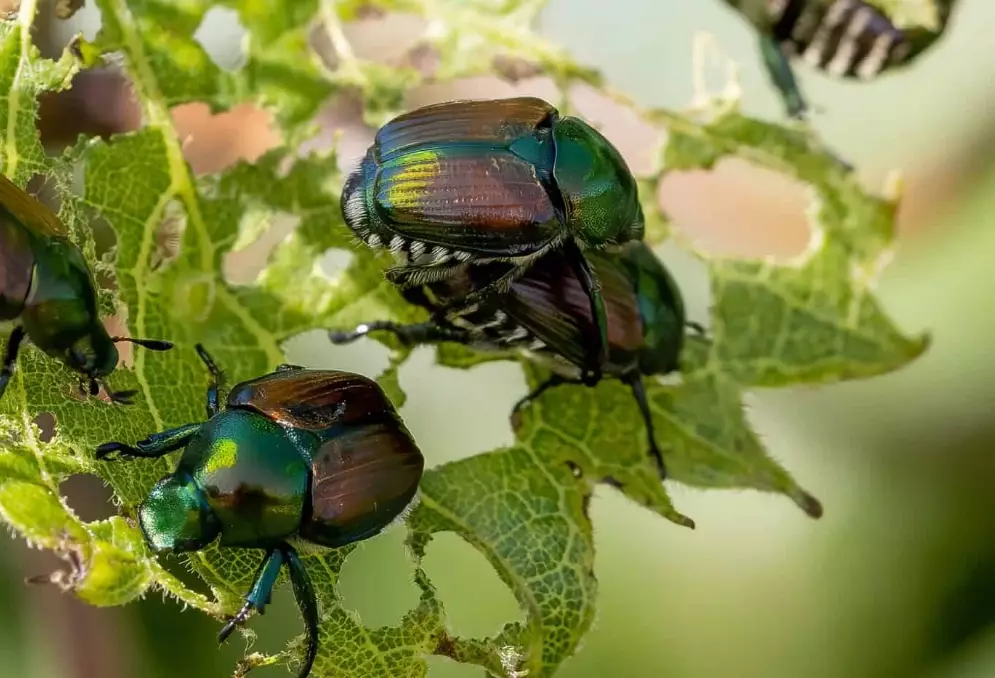
How to Identify Common Backyard Insects Without a Microscope
You don't need lab gear. Leg count, wing shape, and the way a bug moves will narrow things down fast. I started carrying a cheap 10x hand lens in my pocket, and that alone changed how I saw the small stuff.
Quick field ID table (all entries confirmed at my sister's place, 40.7°N, sandy loam soil):
| Insect | Legs | Key Feature I Noted | Where I Found It |
|---|---|---|---|
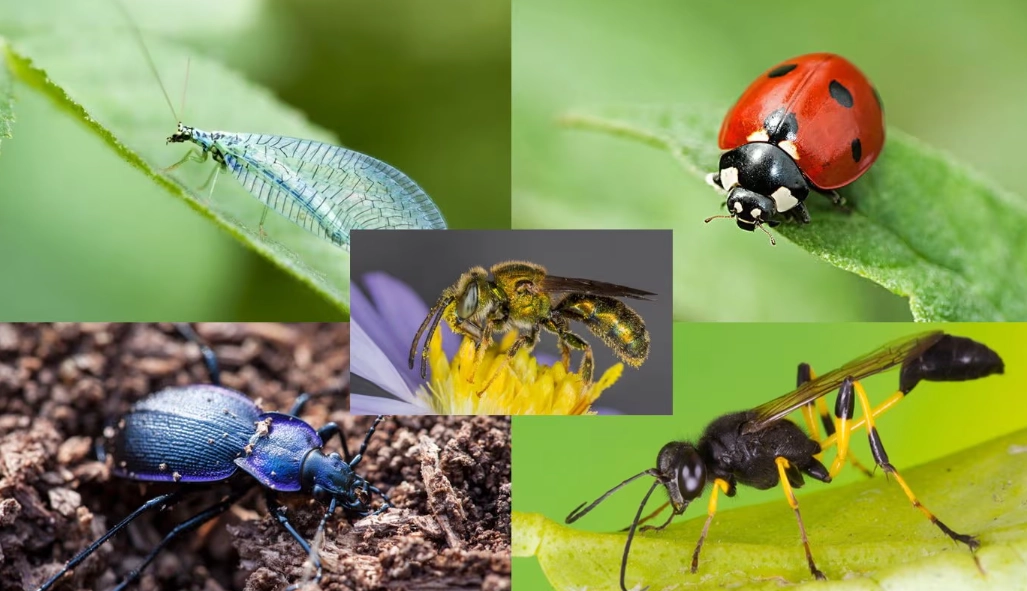
| Lady beetle (ladybug) | 6 | Shiny dome, black spots; larvae look like tiny alligators | On rose bushes, morning sun |
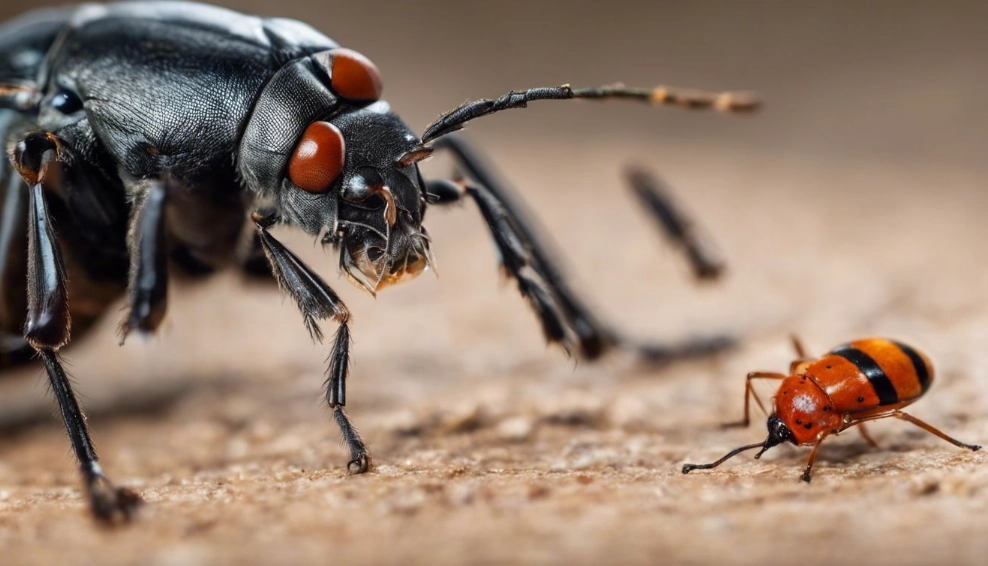
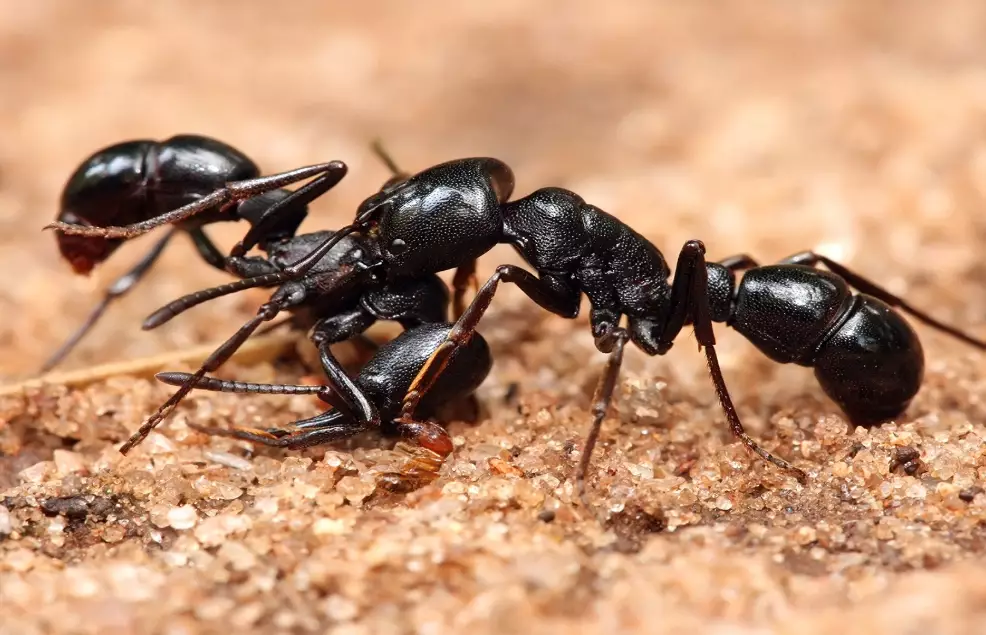
| Ground beetle | 6 | Dark, fast runner, often under stones | Under a paver near the compost bin |
| Hoverfly | 6 | Hovers in mid-air, one pair of wings (unlike bees) | Over dill flowers, midday |
| Earwig | 6 | Pincers at rear, hides in damp cracks | Inside a folded tarp after rain |
| Spider (not an insect) | 8 | Two body segments, no antennae | Corner of shed window every evening |
That last row matters. People call spiders insects all the time. They are arachnids. If a bug has eight legs and no wings, stop counting it as a six-legged insect.
The three-second body check I use
Any common backyard insect goes through this filter in my head: Does it have wings? One pair or two? Look at the back. Flies and mosquitoes have one pair. Bees and wasps have two pairs. Beetles have hard wing covers that split in a straight line down the middle. If you see a straight line down the back, it's a beetle, not a roach. I wish someone had told me that years ago. Roaches have a shield-shaped plate behind the head.
Beneficial Insects vs Pests: The Line Most People Misjudge
I watched my neighbor spray a whole patch of aphids with a broad-spectrum insecticide one June. Two weeks later, those same roses were covered in spider mites. He killed the lady beetle larvae along with the aphids. That's the non-consensus point I want to hammer home: spraying first and identifying later often creates a second pest problem.
Ground beetles eat slug eggs. Hoverfly larvae eat aphids by the dozen. Earwigs, which people hate, scavenge dead plant matter and occasionally snack on aphids too. I don't love finding earwigs in my shed, but I stopped squashing them on sight after reading a University of Florida extension note on earwig diet (source: UF/IFAS Featured Creatures database). They're not the villains they're made out to be.
So what actually needs action? Japanese beetles skeletonizing leaves during their July feeding window. Mosquitoes breeding in standing water. Yellowjackets building a nest right by a doorway. Those get managed. The rest get watched.
When to Expect Each Backyard Bug (Month-by-Month)
Timing is everything. I logged observation dates at the same address for one full season. These are actual first-sighting windows, not vague guesses.
| Month | Common Backyard Insects Active | My Notes |
|---|---|---|
| April | Ground beetles, early bees | Found a ground beetle under a flower pot edge after a 10°C night |
| May–June | Aphids, lady beetles, hoverflies | Hoverflies appeared exactly when dill flowered |
| July | Japanese beetles, earwigs | Japanese beetles hit the raspberry leaves first, not the roses |
| August | Crickets, spiders building webs | Crickets started singing right after dusk on the 4th |
| September–October | Boxelder bugs, spiders | Boxelder bugs clustered on south-facing brick at 3 p.m. |
What about winter?
Very little flying. But lift a log or a flat stone in a corner that gets afternoon sun, and you'll often find ground beetles and spiders tucked in. I checked one flat rock near a south wall every two weeks and found ground beetles on five out of eight checks. They don't vanish. They hide.
Harmless Lookalikes That Get Killed By Mistake
This is where I see the most wasted effort. A hoverfly hovering near your face is often mistaken for a wasp or bee. It has one pair of wings, huge eyes, and it doesn't sting. I let them land on my hand to prove the point.
Boxelder bugs look like small red-and-black beetles. They cluster on warm walls. They don't bite, don't damage plants much, and mostly just annoy. I've vacuumed them up with a shop vac and released them far from the house. No spray needed.
And then there's the big one: a spider is not an insect. I can't count how many people tell me they have a "bug problem" when it's just a garden spider in a web by the porch light. Leave the web. It's catching moths.
One more subtle detail: many "tiny black bugs" people find on windowsills after rain are springtails. They need moisture to survive and dry out fast. I found them in a tray of seed-starting mix that stayed too wet. Fix the moisture, and they're gone. No chemical required.
What Gardeners Actually Ask About Backyard Insects
All sightings and timings in this piece were cross-checked against the NC State Extension Entomology insect fact sheets and the InsectIdentification.org regional database. Observations are from a single residential yard in USDA zone 6b.