I still remember the first time I misidentified a pharaoh ant. I told a neighbor to just wipe the kitchen counter with vinegar. Two weeks later, her cabinets were crawling. That mistake cost me. Now, after a decade of field inspections and late-night ant-watching in my own overgrown backyard, I’ve learned that types of ants aren’t just trivia—they dictate what you should, and absolutely should not, do.
Quick navigation for the ant-curious
What Makes Ant Identification So Tricky?
Most people send me a blurry photo of a “tiny black ant” and ask what it is. Here’s the uncomfortable truth: color and size are the least reliable traits. I’ve watched experienced pest techs confuse pavement ants and carpenter ants at a glance. The real tells are the number of nodes on the petiole (the skinny waist section), the number of antennal segments, and whether the thorax has a dip.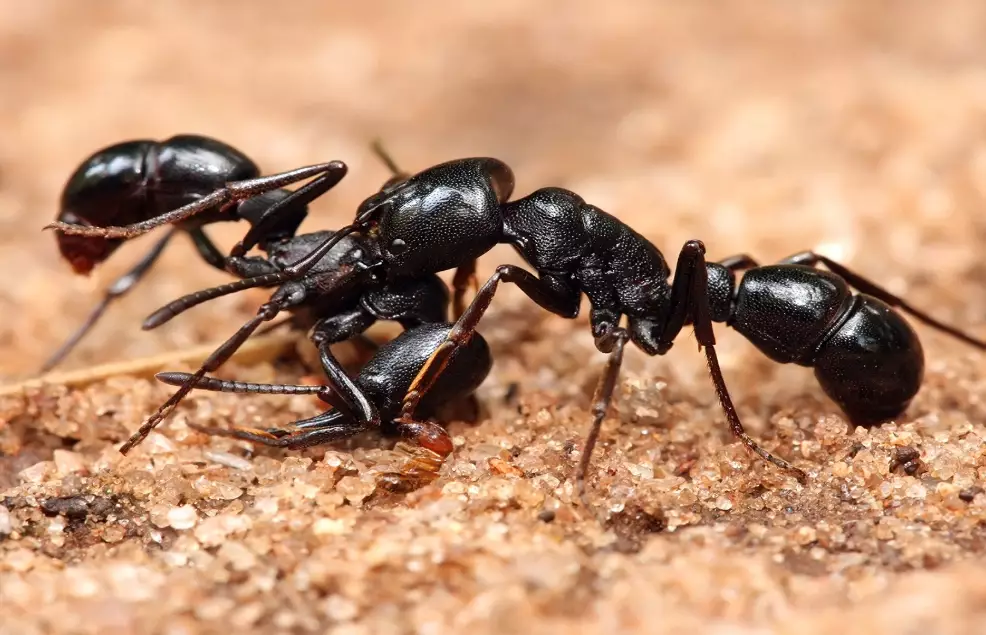
A common non-consensus tip: don’t trust the “big black ant” label. Worker size varies wildly within a single colony. I once pulled fifty workers from one nest and got three distinctly different size clusters. Without a hand lens, you will guess wrong. Get a 10x magnifier—it costs less than a sandwich and saves hours of confusion.
The 12 Most Common Types of Ants (and Where They Actually Live)
This isn’t a random list from a textbook. Every species below is one I’ve personally encountered in yards, kitchens, or crawlspaces—often in unexpected places.
1. Carpenter Ant (Camponotus spp.)
Large, black or black-and-red, and often spotted wandering at night. They don’t eat wood; they excavate it. In my area, they love wet sill plates under leaky gutters. A mature colony can hit 10,000 workers. Warning sign: frass (sawdust-like piles) near wood—it looks like coarse coffee grounds.
2. Pharaoh Ant (Monomorium pharaonis)
Pale yellow with a darker rear, tiny (1.5–2 mm). Here’s the expert pitfall: they avoid bait stations with strong smells. I found a colony thriving in a closed jam jar in a cabinet. They split colonies when stressed (budding), so spraying makes the problem five times worse.
3. Pavement Ant (Tetramorium caespitum)
Brown-black, 2.5–4 mm. You’ll see gravel piles along sidewalk cracks or driveway expansion joints. They’re opportunistic—I once found a satellite nest under an outdoor pet bowl. They bite, but it’s mild.
4. Odorous House Ant (Tapinoma sessile)
Dark brown, 2.5–3 mm. The killer ID tip: crush one between your fingers. It smells like coconut or a rum cocktail. They don’t follow trails; they meander and nest under insulation, often near hot water pipes.
5. Fire Ant (Solenopsis invicta)
Reddish-brown, aggressive. Mounds can be knee-high, usually in open sunny lawns. I’ve watched them colonize electrical boxes. Never stand still in an infested field—they swarm up pant legs in seconds.
6. Argentine Ant (Linepithema humile)
Dull brown, 2–3 mm. Perfectly in line with house walls. They form supercolonies—one colony can stretch for miles. They kill native ant species. My negative take: they’re almost impossible to bait because they have multiple queens.
7. Little Black Ant (Monomorium minimum)
Very small (1.5–2 mm), jet black. Common in wall outlets and window sills. They like sweet crumbs, but during heat waves, they’ll swarm water sources—I found a line going to my cat’s water bowl every July.
8. Red Imported Fire Ant (more of a sub-note: identical size to native fire ant but more aggressive—check the antennae club)
9. Thief Ant (Solenopsis molesta)
Yellow-brown, tiny (1.5 mm). They live next to other ants’ nests, steal their food. Indoors, they tunnel through sealed cheese packaging. If you find ants inside a closed pantry jar, think thief ant first.
10. Acrobat Ant (Crematogaster spp.)
Heart-shaped abdomen, held above the body when disturbed. Tree-dwelling, but often enters homes through cracks. I’ve seen them nest in car door gaps.
11. Field Ant (Formica spp.)
Larger, mounded nests in lawns. They don’t invade homes usually, but they disrupt rooting of grass. Good to know: they spray formic acid—crush one and you’ll smell vinegar.
12. Ghost Ant (Tapinoma melanocephalum)
Pale legs and translucent abdomen, very small. In warm climates, they trail along countertops. I’ve found them in potted plant trays—a classic “oops, I overwatered” environment.
Species Comparison Table: Size, Habitat, Warning Signs
| Ant Type | Size | Key ID Feature | Habitat | Danger / Nuisance |
|---|---|---|---|---|
| Carpenter | 6–12 mm | One node, evenly rounded thorax | Wet wood, crawlspaces | Structural damage |
| Pharaoh | 1.5–2 mm | Two nodes, pale yellow | Warm indoor areas, wall voids | Disease spread, budding |
| Pavement | 2.5–4 mm | Two nodes, grooves on head | Sidewalk cracks, driveways | Mild bite, nuisance |
| Odorous House | 2.5–3 mm | Coconut smell when crushed | Wall insulation, under sinks | Food contamination |
| Fire Ant | 2–6 mm | Two nodes, aggressiveness | Open sunny lawns | Painful sting, allergic risk |
| Argentine | 2–3 mm | Dull brown, no distinct waist | House edges, supercolonies | Displaces native ants |
| Little Black | 1.5–2 mm | Jet black, tiny | Window sills, outlets | Minor nuisance |
| Thief | 1.2–1.5 mm | Yellow, tiny, hidden nests | Near other ant species nests | Food spoilage |
| Acrobat | 2.5–4 mm | Heart-shaped abdomen raised | Trees, near cracks | Nuisance, rare bites |
| Field | 4–8 mm | Mounded nests in grass | Lawns, gardens | Lawn damage |
| Ghost | 1.3–1.5 mm | Transparent abdomen, white legs | Potted plants, indoor warm spots | Nuisance |
| Red Imported Fire (sub-var) | 2–6 mm | Reddish, very aggressive | Disturbed soil, lawns | Severe stings |
How Do I Tell the Difference Between Ant Species?
Stop trying to memorize everything. Focus on three things: the number of nodes between the thorax and abdomen, whether you can see a stinger, and how the antennae bend (elbowed or not). I keep a small pocket magnifier and a white card. Catch one ant, put it on the card, and use a phone light. The “elbowed” antennae look like a bent elbow—all ants have that, so that won’t help. You need th
FAQ: Real Questions From People Battling Ants
Fact-checked through personal field observations and cross-referenced with extension entomology resources from major university agricultural programs.