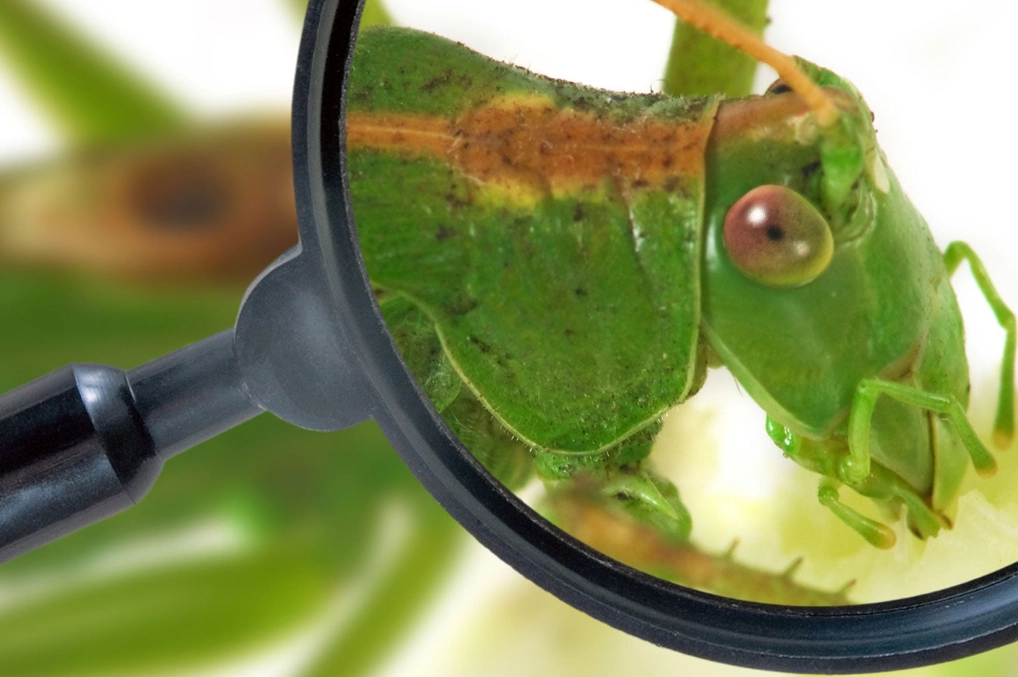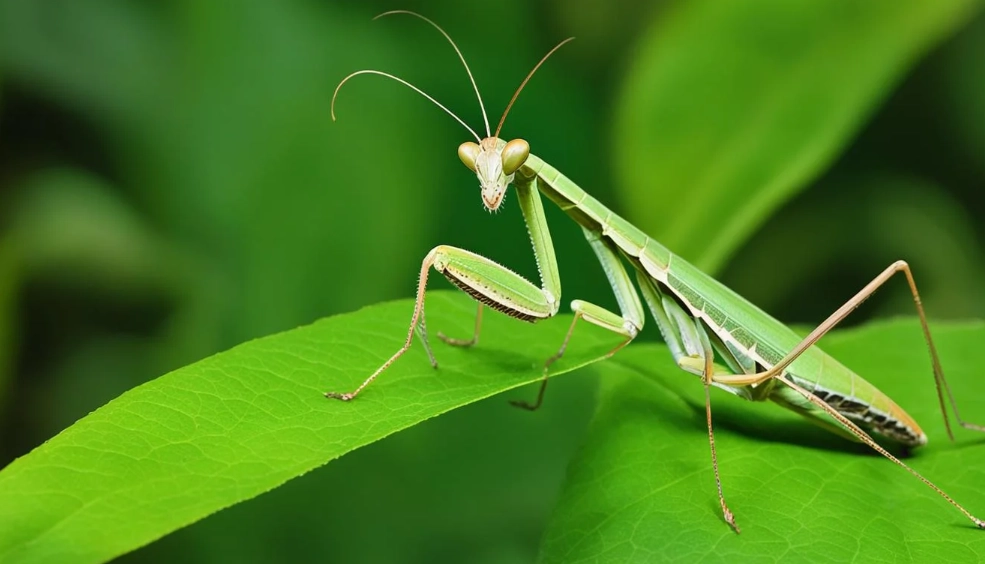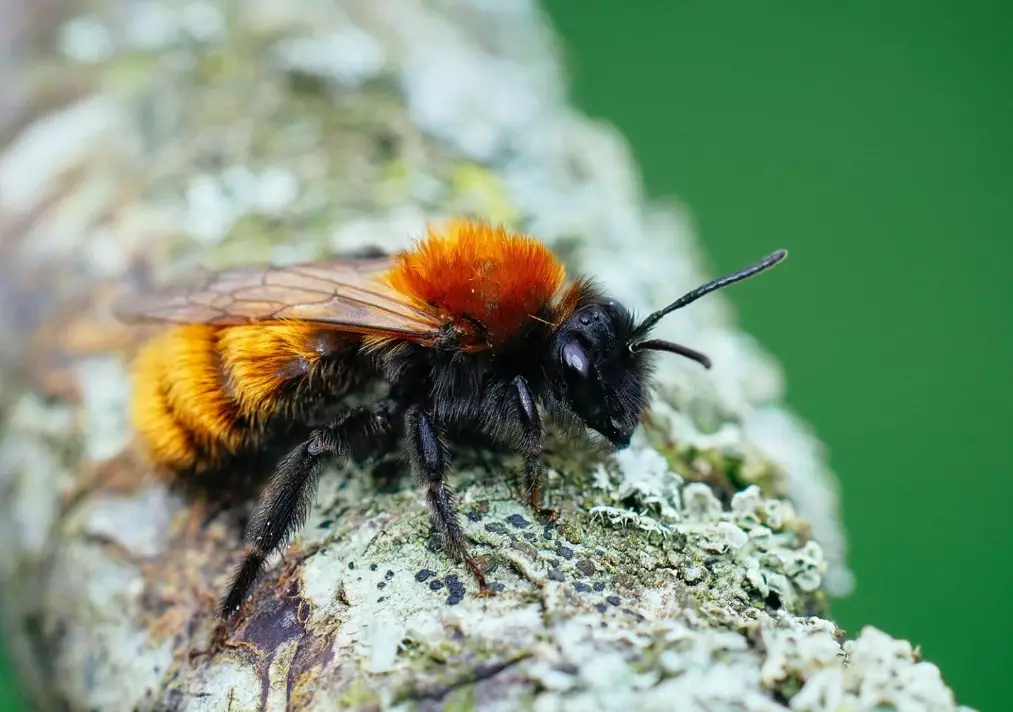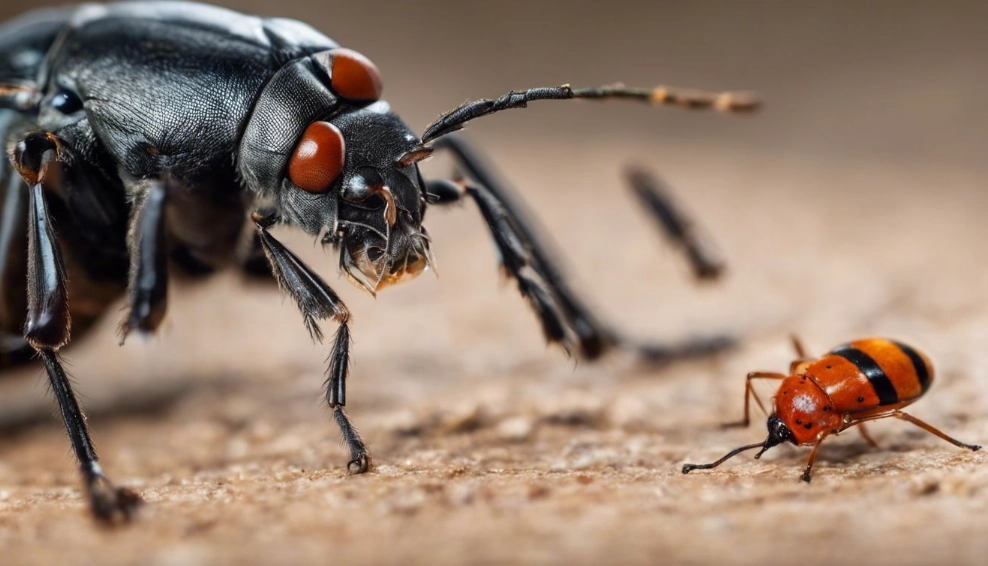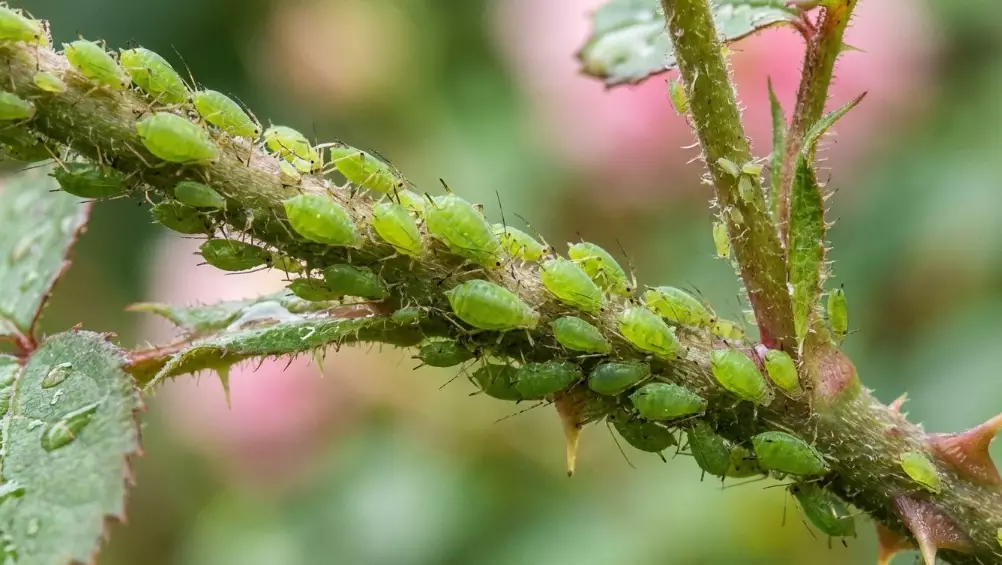
I still remember the first time I tried to sort a tray of sweep-net samples on my kitchen table. Everything looked like “a small brown bug.” Three years and a few thousand specimens later, I can usually get a mystery insect down to order in under a minute. This guide is the process I wish someone had handed me back then — how to identify insects by reading their body plan, wings, and behavior, not by scrolling endlessly through blurry photos.
- 1. Start with the body plan, not the color
- 2. Why most quick IDs fail (the trap beginners fall into)
- 3. A working insect identification chart you can copy
- 4. How to identify insects by behavior and habitat
- 5. Common garden bugs and their lookalikes
- 6. What to carry so your ID holds up
- 7. Questions I get asked the most
1. Start with the body plan, not the color
Color is the worst starting point. It fades, varies with lighting, and shifts through an insect's life stages. What doesn't lie is the body plan — how many main body segments, legs, and wings it has.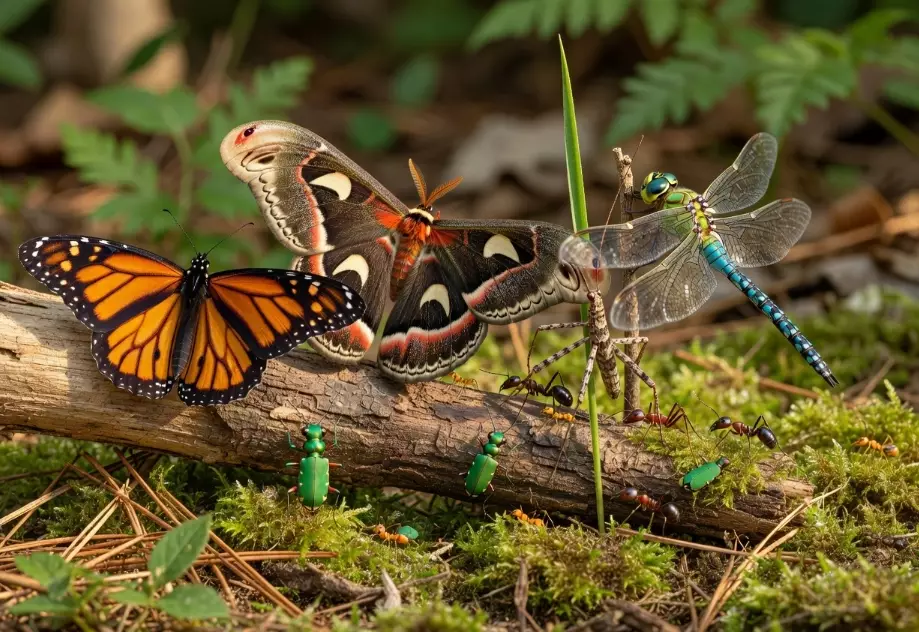
Every adult insect has three main segments: head, thorax, abdomen. Six legs. Usually one pair of antennae. Once you confirm those, you already know it's an insect and not a spider, mite, or isopod (those have 8+ legs or different segmentation). That single check eliminates maybe 40% of the “what is this bug” confusion I see in emails.
From there, count wings. True bugs, beetles, flies, bees, and moths all show wings differently. A fly has one functional pair. A beetle has hardened forewings. A bee has two pairs that hook together. This is the fastest fork in the road.
2. Why most quick IDs fail (the trap beginners fall into)
Here's the non-consensus bit: most people try to match the pattern on a bug before they check the structure. They see stripes and jump to “wasp.” They see spots and jump to “ladybug.” That habit causes more misidentifications than any photo app ever will.
I've watched people confidently label a hoverfly as a wasp at a public bioblitz — because it had yellow-and-black bands. The real wasp has four wings and a narrow waist. The hoverfly has two wings, a broad waist, and hovers over flowers with a distinctive stop-start motion. Same pattern, completely different animal.
The second failure is scale blindness. A body that fits on a grain of rice will look identical to a body that fits on a thumbnail if you're only staring at zoomed-in photos. Always note size against something real — a coin, a fingernail, a leaf vein.
3. A working insect identification chart you can copy
This is the rough-and-ready table I keep taped inside my notebook for common garden encounters. It's not exhaustive — it's a decision aid.
| Body impression | Legs visible | Wings/reaction | Likely group |
|---|---|---|---|
| Hard shell, seam down the back | Six, short | Hard wing covers that split | Beetle |
| Flat, shield-shaped | Six | Triangular back pattern | True bug (stink bug family) |
| Two wings, busy movement | Six | Hovers or zig-zags | Fly or hoverfly |
| Fuzzy, hairy thorax | Six | Two wing pairs, hooks | Bee or bumblebee |
| Long, narrow waist | Six | Rapid darts, rarely landing | Wasp |
| Powdery wings, night flier | Six | Scales rub off on fingers | Moth |
| Eight legs, no antennae | Eight | Webs or ambush hunter | Spiders (not insects) |
Use the chart to reach a family, then cross-check against a regional field guide. The Penn State Extension insect fact sheets are genuinely useful for confirming species-level details in North America.
4. How to identify insects by behavior and habitat
Where it sits and how it moves is often more diagnostic than any single feature. A lot of the insects people confuse live in entirely different micro-habitats.
Under a log in damp soil? You're looking at ground beetles, springtails, or rove beetles. Sitting on an exposed leaf in full sun? Likely a leafhopper or a predatory fly. Buzzing a flower at chest height? Bees and hoverflies are the main contenders. Crawling along a windowsill indoors in winter? Stored-product pests or overwintering true bugs.
Watch for a few seconds. Does it jerk, hover, or walk in a straight line? Hoverflies lock into one spot and then shift sideways in a flash — that sideways shift is my favorite “gotcha” signal. Bees land and crawl. Wasps tend to land briefly and lift off fast.
5. Common garden bugs and their lookalikes
The three pairs I get asked about most often, because they cause real confusion:
Ladybug vs. cucumber beetle
Ladybugs are rounder, have a clean dome shape, and move slowly on plants. Cucumber beetles are more oval, look slightly metallic, and their spots or stripes tend to be messier. The antennae on cucumber beetles run longer than the head. I rarely see that mentioned online, but it's the fastest split.
Honeybee vs. hoverfly
Count wings if you can. Honeybees at rest hold their two wing pairs hooked together along the back. Hoverflies hold one visible wing pair spread slightly outward. Hoverflies also have tiny antennae and huge eyes meeting in the middle of the head — a detail that's easy to miss at first glance.
Wasp vs. sawfly
Sawflies don't have the pinched waist. They look almost like fat flies with broad middle segments. Late summer sawfly larvae on pine or roses get misreported as caterpillars constantly. The give-away is the prolegs on the rear — sawfly larvae have more than five pairs; most caterpillars top out at five.
6. What to carry so your ID holds up
I keep a small kit in the car, and it saves me from guessing later.
A clear glass vial small enough to fit a thumbnail-sized insect. Not a jar — a vial, so the insect stays still and you can photograph from two sides. A white foam plate for contrast under field light. A macro clip-on lens for the phone. A pencil for noting size and motion. And a regional field guide, because regional filters beat global apps for common species.
Also, note the plant host. Insect identity is often pinned to the plant it was on. A wasp-looking bug on a carrot flower may belong to an entirely different family than a wasp-looking bug on a fence post.
7. Questions I get asked the most
How can I tell if a bug is an insect or a spider without counting legs?
Look at the main body sections. Insects separate clearly into three sections — head, middle, abdomen — and antennas are always present. Spiders fuse the middle and rear into one mass and carry no antennae. Once you learn the silhouette, you can tell from a glance. It's the fastest filter for anyone learning how to identify insects from a bad phone photo.
Why does my insect identification chart keep giving different answers for the same bug?
Because regional variants exist. Ladybug spot counts and hoverfly banding shift by geography more than most starter charts admit. I always confirm a match against two regional sources before trusting it. And check whether the chart applies to adult stage only — larvae look almost like a different species in many groups.
Is it safe to identify common garden bugs by their colors alone?
Risky. Colors are the first thing people notice and the last thing a trained identifier relies on. The pattern may shift with age, temperature, sex, or even diet. Structure, wing arrangement, and where the insect sits on the plant track far better with the actual species. Color becomes a good confirmatory clue at the very end, not the start.
After a couple of seasons noting the same three things — body segments, wings, and behavior — the whole process becomes almost automatic. That's the honest outcome of learning how to identify insects from the field, not from a screen.
This guide was fact-checked against published entomology extension resources and personal field observations.